 listicle
Landlord Rental Unit Cleanout Services: A 2026 Guide
Table of Contents
- What Rental Unit Cleanout Services Include
- Rental Property Cleanout Services vs. Standard Cleaning
- Landlord Cleanout Between Tenants: Timeline and Process
- Eviction Cleanout Services: Legal Obligations and Abandoned Belongings
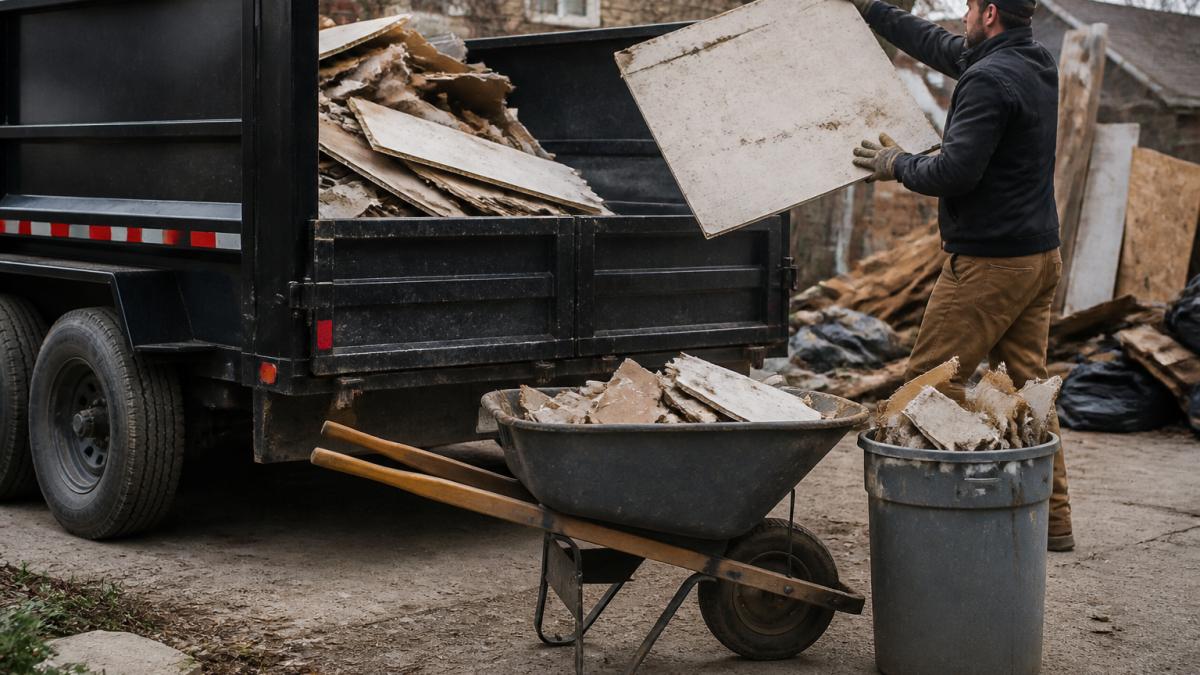
- Rental Unit Junk Removal: What Gets Hauled Away
- How to Choose a Cleanout Provider: Selection Criteria
- Pricing, Cost Factors, and Transparency
- Frequently Asked Questions
Last Updated: October 9, 2026
What Rental Unit Cleanout Services Include
Rental unit cleanout services remove unwanted items, abandoned belongings, and debris from vacant apartments between tenants, including furniture, appliances, trash, and personal items, preparing the space for repairs, painting, and new occupants.
When you work with a professional rental unit cleanout service, your crew typically handles:
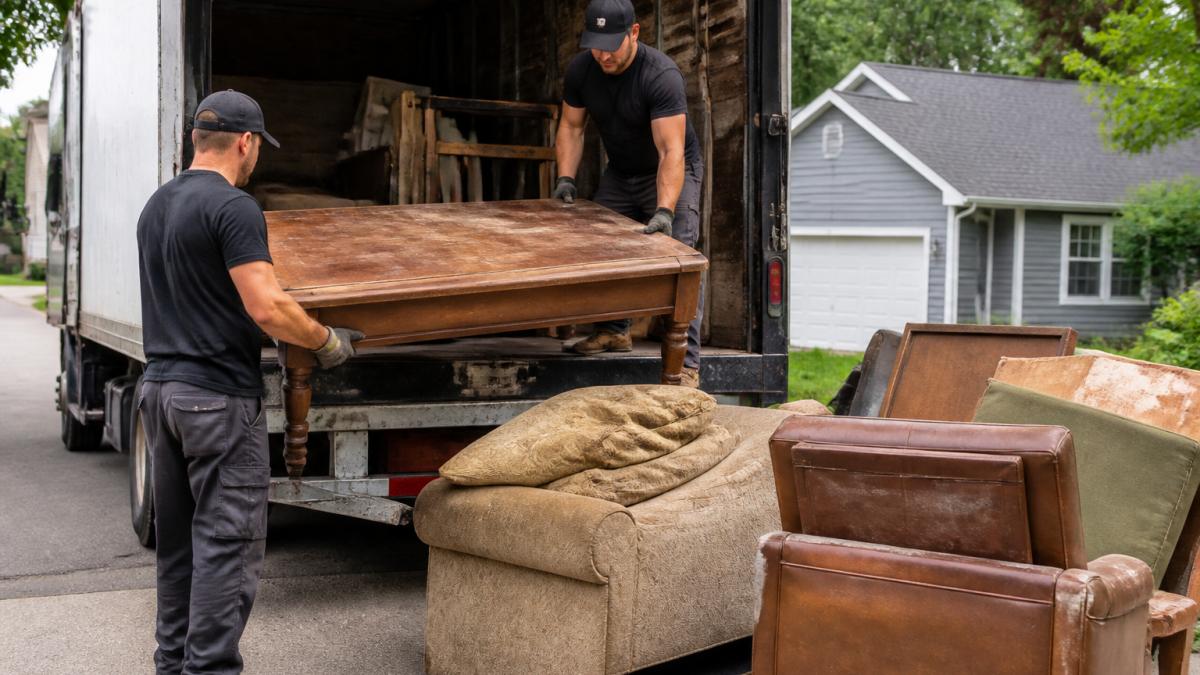
- Removal of large furniture (beds, couches, dressers, dining tables)
- Appliance hauling (refrigerators, stoves, washers, dryers)
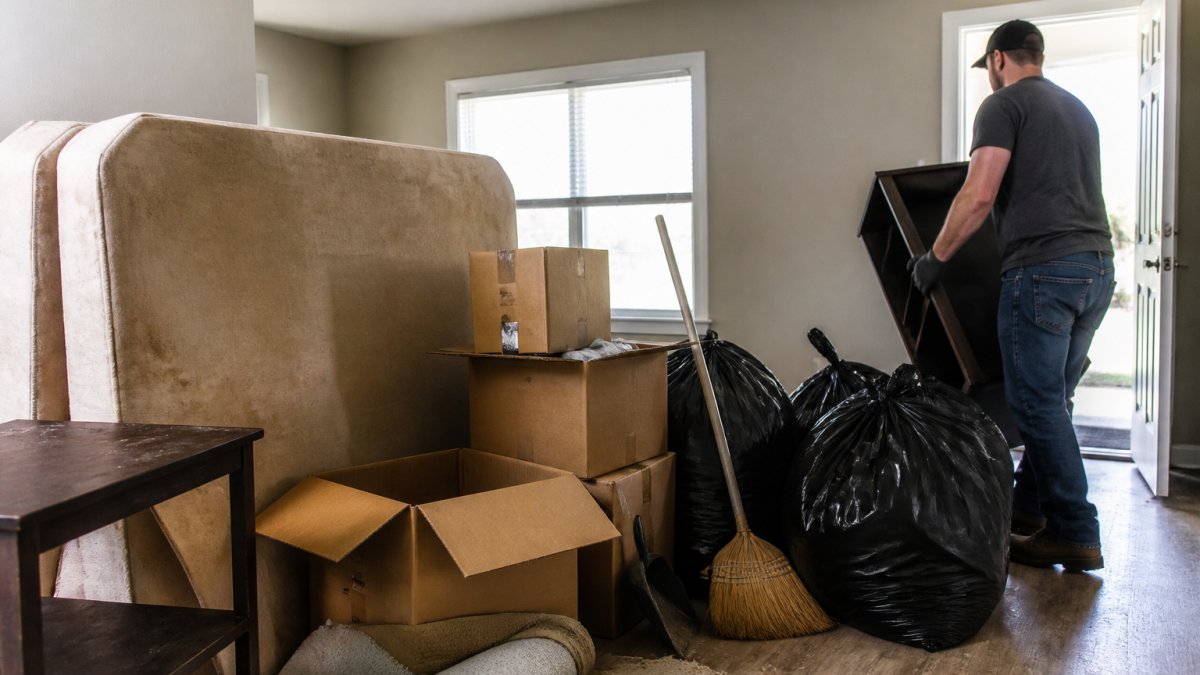
- Trash and debris removal from throughout the unit
- Personal belongings and abandoned items
- Sorting for donation, recycling, or disposal
- Labor-intensive lifting and loading
Speed is critical: every vacant day costs you rent. A professional landlord cleanout service compresses weeks of work into a day or two.
Rental Property Cleanout Services vs. Standard Cleaning
Standard move-out cleaning and rental property cleanout services are completely different jobs.
Standard cleaning removes dust and sanitizes surfaces, but assumes the space is already empty.
Rental property cleanout services do the heavy lifting first, removing abandoned belongings, broken furniture, trash, and appliances.
Many property managers use both back-to-back: the cleanout crew hauls everything away, then within hours or the next day the cleaning crew sanitizes.
We work with landlords managing single and multi-unit properties.
Landlord Cleanout Between Tenants: Timeline and Process
A typical rental property turnover with professional cleanout services follows a predictable timeline, helping you plan around vacancy costs and re-listing.
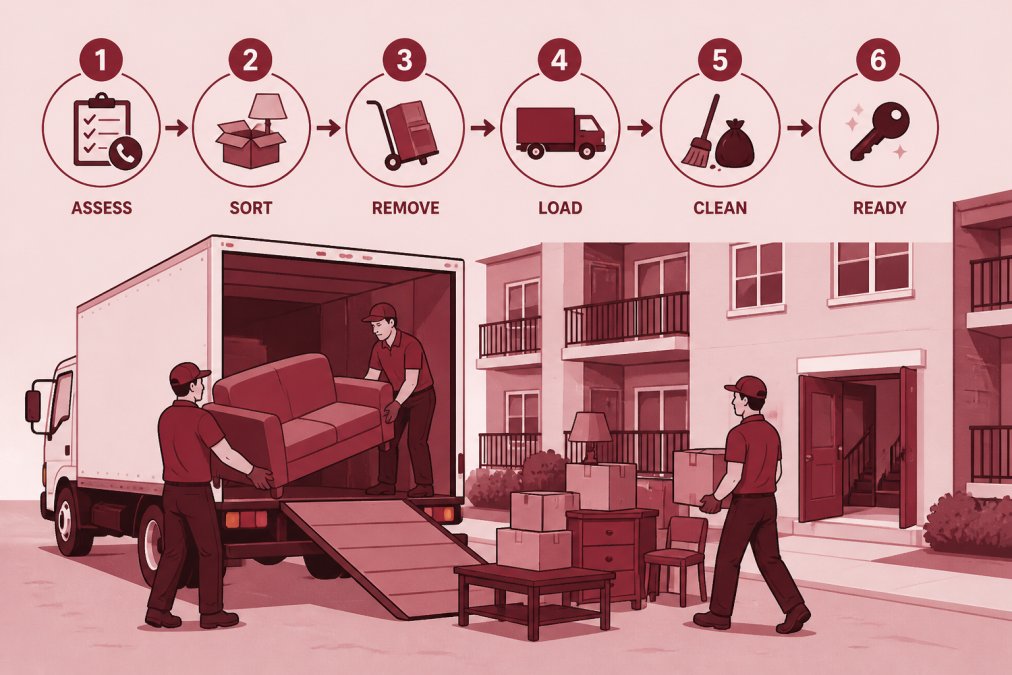
Day 1: Initial Assessment and Scheduling
You contact a cleanout service and describe the unit's contents, furniture, appliances, trash volume, and special items like electronics or hazardous materials.
Day 2-3: The Removal
Day 3-4: Cleaning Phase
Once the unit is empty, a separate cleaning crew sanitizes, scrubs, and prepares the space for new tenants or repairs.
Day 5-7: Re-listing
Your unit is ready to show, photograph, and list.
The timeline compresses further if you schedule in advance. Landlords with multiple units often use the same cleanout service for recurring turnovers.
Eviction Cleanout Services: Legal Obligations and Abandoned Belongings
An eviction cleanout is not the same as a routine turnover cleanout. When a tenant is evicted, belongings left behind may still be legally theirs until the eviction is final and any statutory holding period has run.
Rules are set at the state and sometimes local level, so there is no single national timeline. What follows is the practical framework landlords use to stay compliant without stalling the turnover.
Step 1: Confirm the eviction is actually final
A sheriff's lockout or court-ordered possession date is not the same as the end of the tenant's interest in their personal property. In many jurisdictions the landlord takes possession of the unit but not the belongings, and a separate abandoned-property procedure governs what happens next. Confirm with your attorney or local landlord association whether your state treats property as abandoned immediately or only after a notice period.
Step 2: Document before you touch anything
Before any item leaves the unit, build a record:
- Date- and time-stamped photos of every room, closet, and storage area
- Wide shots showing overall volume, plus close shots of anything valuable or identifiable
- A written inventory noting high-value categories: electronics, jewelry, documents, medication, firearms, cash
- Video walkthrough with a running narration of what you see
- A signed and dated log of who entered the unit and when
This record defends you if the former tenant claims an item was damaged, discarded, or stolen, and supports any insurance claim if the unit is damaged during removal.
Step 3: Send written notice to the last known address
Most states require the landlord to notify the tenant that property will be disposed of or sold unless claimed. The notice typically goes by certified mail to the tenant's last known address, sometimes to an alternate address on file. Keep the receipt and a copy of the letter, stating the date after which items will be removed, where items are stored, and how the tenant can reclaim them.
Step 4: Sort into three categories
Before the cleanout crew arrives, decide how each category will be handled:
- Trash and debris, removed immediately in most jurisdictions once the notice period has run
- Ordinary personal property, furniture, clothing, kitchenware; usually disposable after the notice period, sometimes subject to a sale-and-accounting requirement
- High-value or sensitive items, documents, IDs, medication, financial records, heirlooms; these are the items most likely to trigger a claim, so they are the ones worth storing or photographing in detail
Step 5: Store what the law requires, then document disposal
Where storage is required, the cost generally falls on the landlord, and the clock usually starts when notice is sent. Thirty and sixty day windows are common, but the exact figure is state-specific. When the window closes, document disposal or donation the same way you documented intake: photos, inventory, and the hauler's name.
What a professional eviction cleanout service should do for you
A good provider separates trash from identifiable personal property on site, sets aside documents or valuables, and provides a record of what was removed.
If you manage multiple units, build a reusable eviction file: a notice template reviewed by your attorney, a photo-and-inventory checklist, and a log of notice dates and storage deadlines. That turns a legally risky job into a repeatable process.
Rental Unit Junk Removal: What Gets Hauled Away
Not everything in a vacant unit qualifies for the same disposal method.
Furniture and Large Items
Beds, couches, dressers, tables, and chairs are the bulk of most rental cleanouts.
Appliances
Refrigerators, stoves, washers, dryers, and microwaves require special handling. Many contain refrigerants or other materials that can't go to a standard landfill (the EPA).
Trash and Debris
Bags of trash, broken items, construction debris, and general refuse are hauled to a disposal facility, the straightforward part of most cleanouts.
Electronics
Old TVs, computers, monitors, and other electronics contain materials that need responsible recycling, not landfill disposal.
Hazardous Materials
Paint cans, batteries, propane tanks, and other hazardous items require special handling. Disclose them upfront.
How to Choose a Cleanout Provider: Selection Criteria
Not all rental unit cleanout services are created equal. The difference between a reliable provider and an unreliable one comes down to a few key factors.
Verify Service Scope and Speed
Ask directly: what's included in your rental cleanout service? Some providers only remove furniture. Others handle appliances, trash, and debris. You need a comprehensive service that doesn't require multiple trips or separate contractors.
Speed matters equally. Ask about typical turnaround and rush scheduling.
Confirm Responsible Disposal Practices
This is where many landlords slip up. Ask your provider directly: where does everything go? Do they donate usable items, recycle, and hold proper licensing for appliance and electronics disposal?
A responsible provider explains donation partnerships, recycling practices, and disposal facility relationships.
Request a Detailed Estimate
Before any work begins, get a written estimate that breaks down the job, including:
- Labor (crew size and hours)
- Truck or hauling fees
- Any special handling charges (appliances, hazmat, etc.)
- Timeline and scheduling details
- What's included and what costs extra
Don't accept vague estimates. You need specifics to budget accurately and compare providers fairly.
Pricing, Cost Factors, and Transparency
Most cleanout providers price one of three ways, and knowing which model you're quoted under is the difference between comparing apples and comparing nothing.
The three common pricing models
Flat rate by unit size. The provider quotes a single number based on bedroom count and a description of the contents.
Volume-based pricing. The quote is tied to how much space items take up in the truck, often a fraction of the truck bed.
Hourly labor plus disposal. You pay for crew time plus a separate charge for what goes to the landfill, transfer station, or recycler.
What actually moves the price
- Volume and weight. Particleboard furniture is bulky but light; appliances, tile, or construction debris are heavy, and heavy loads cost more to haul and dispose of.
- Access. A ground-floor unit with a straight path to the truck is cheapest. Walk-ups, long hallways, elevator reservations, and tight parking add labor time on every trip.
- Stairs and distance. Every flight of stairs and every extra hundred feet between the unit and the truck adds minutes per load, multiplying across a full cleanout.
- Appliance count. Refrigerators, freezers, washers, dryers, and air conditioners often carry a per-item surcharge for refrigerant and e-waste handling.
- Special items. Mattresses, tires, paint, batteries, propane tanks, and televisions frequently carry separate disposal facility fees that get passed through.
- Disposal fees. Landfill and transfer station tipping fees vary by region and load weight. A provider near an expensive disposal market quotes higher than one with a cheaper facility nearby.
What a written estimate should contain
A comparable quote should list:
- The pricing model (flat, volume, or hourly plus disposal)
- Crew size and estimated hours, if hourly
- Per-item surcharges for appliances, mattresses, electronics, or hazardous materials
- Whether disposal fees are included or billed separately
- Exclusions: cleaning, repairs, hazardous materials, storage, stairs beyond a stated limit
- Scheduling window and any rush fee
- Whether the price is guaranteed once the crew sees the unit, and what would change it
Questions that expose a vague quote
- "Is this a flat rate or an estimate that can change on site?"
- "What is your per-item charge for a refrigerator and a mattress?"
- "Are disposal fees included in this number?"
- "What happens if the unit has more than we described?"
- "Do you charge extra for stairs, and how much?"
Why transparency is the real selection criterion
A provider who can explain their pricing model, name their disposal fees, and put exclusions in writing is almost always the one who shows up on time and finishes at the quoted number. A provider who answers every question with "it depends" is telling you how the job will go. Price matters, but a quote you can hold someone to matters more.
Frequently Asked Questions
What does a rental unit cleanout service include?
A rental unit cleanout service removes abandoned tenant belongings, furniture, appliances, trash, and debris from vacant units. The scope typically covers hauling away large items, clearing out personal effects left behind, removing hazardous materials responsibly, and sometimes light debris cleanup. Services vary by provider, some handle demolition and heavy lifting, while others focus strictly on junk removal and haul-away. Always confirm what's included before scheduling.
How long does a rental property cleanout typically take?
Most rental unit cleanouts take one to three days, depending on the unit size, volume of items, and crew availability. A one-bedroom apartment with moderate clutter may be cleared in a single day, while a multi-bedroom unit or property with heavy debris removal could take longer. Fast turnaround is critical for landlords, professional crews often prioritize quick scheduling so you can clean, repair, and re-list the unit promptly.
What are a landlord's legal responsibilities for abandoned tenant belongings?
Landlords must follow state abandonment laws before disposing of left-behind items. Most states require written notice to the tenant, a waiting period (typically 30-60 days), and documented attempts to contact them. Some states require items to be stored temporarily or offered for pickup. Failure to follow these rules can expose you to liability. A professional cleanout provider familiar with local regulations can help ensure compliance and proper documentation of the removal process.
How does rental unit junk removal differ from standard move-out cleaning?
Rental unit junk removal focuses on hauling away furniture, appliances, personal belongings, and debris, the heavy lifting and disposal. Standard move-out cleaning addresses dirt, dust, and surface sanitation. Most landlords need both: a junk removal service to clear out unwanted items, followed by professional cleaning to prepare the unit for new tenants. Some providers offer both services; others specialize in one or the other.