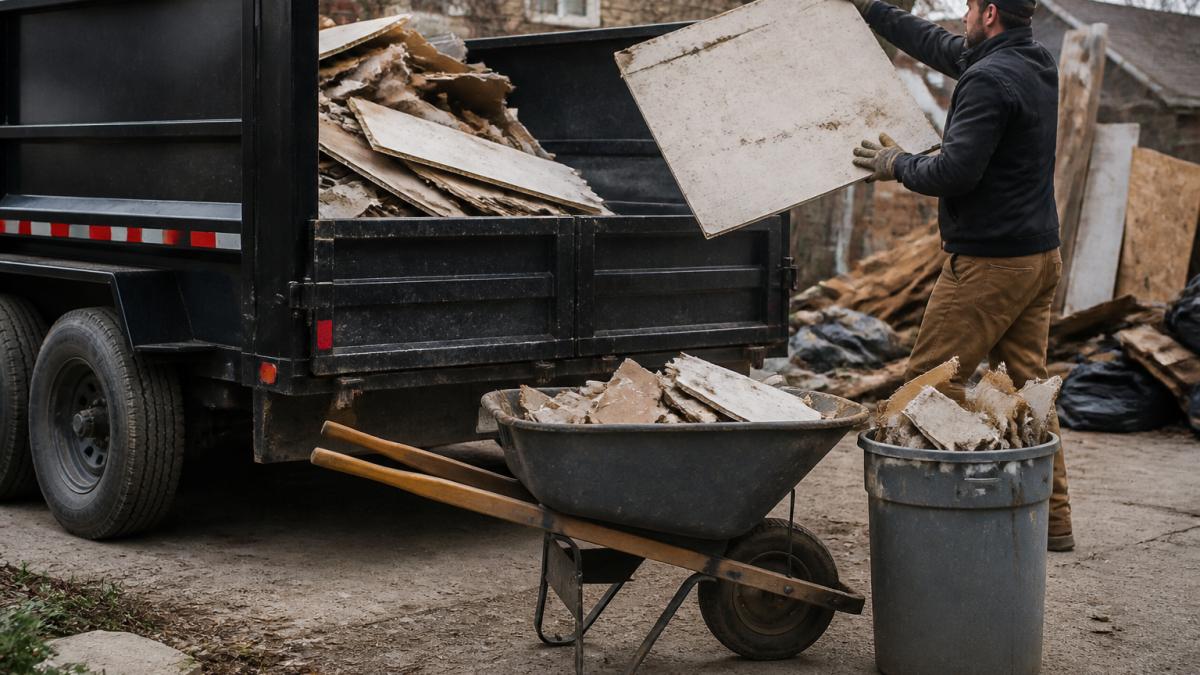
 listicle
Commercial Debris Removal for Contractors: A 2026 Guide
Table of Contents
- What Commercial Debris Removal Services Offer Contractors
- Types of Construction Debris Accepted
- Construction Debris Removal Best Practices
- Construction Waste Disposal Costs and Pricing Factors
- OSHA Job Site Cleanup Requirements and Safety Compliance
- Dumpster Rental vs. Full-Service Hauling: Which Fits Your Project
- How to Choose a Licensed and Insured Debris Removal Partner
- Frequently Asked Questions
Last Updated: October 2, 2026
What Commercial Debris Removal Services Offer Contractors
Commercial debris removal for contractors is far more than dumpster rental. It's a complete waste management solution designed to keep job sites safe, compliant, and efficient from day one through final cleanup.
The difference between professional debris removal and DIY hauling comes down to three things: speed, compliance, and liability protection. When you hire a licensed and insured debris removal partner, you're not just moving waste, you're managing risk, ensuring regulatory compliance, and freeing your crew to focus on the work that generates revenue.
Professional services handle coordination with local waste facilities, proper sorting for recycling compliance, hazardous material identification, and documentation that protects you if an inspection happens.
The best debris removal partners offer full-service solutions: they provide containers sized to your project, schedule pickups that sync with your timeline, handle material sorting and recycling, manage hazardous waste responsibly, and maintain insurance that covers your job site. This eliminates the operational burden of managing multiple waste streams and keeps your project moving.
Types of Construction Debris Accepted
A full-service debris removal provider accepts the entire spectrum of construction and demolition waste. Understanding what qualifies as accepted debris helps you plan your cleanup strategy and avoid surprises on pickup day.
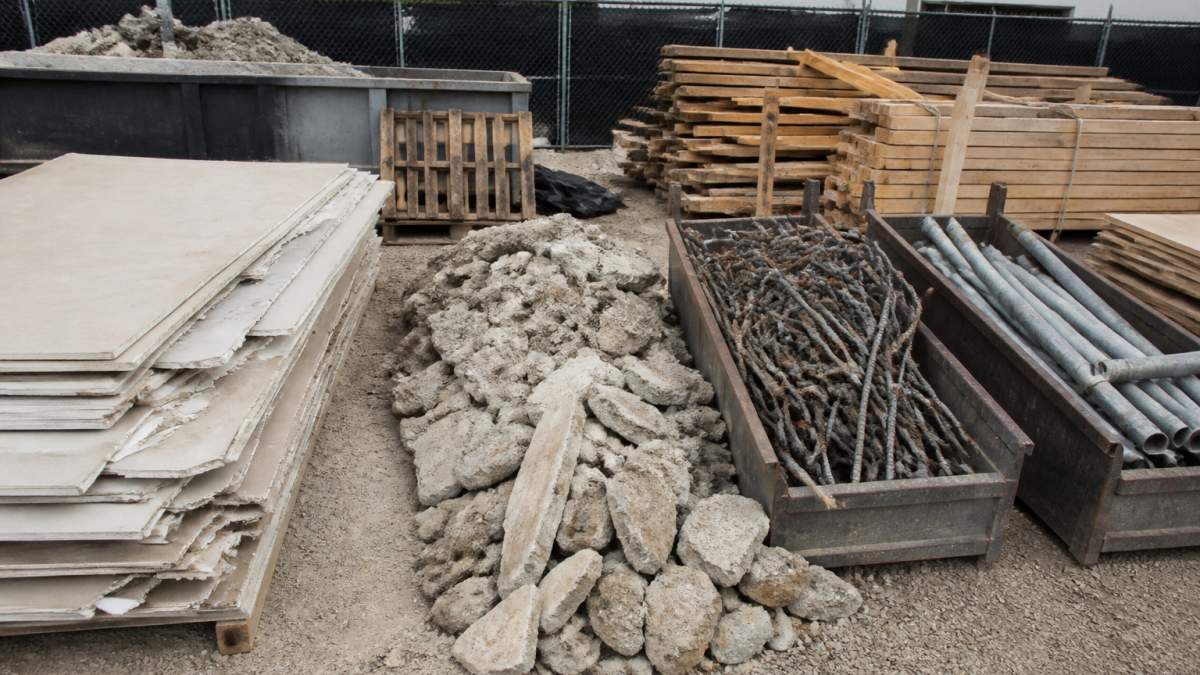
Standard construction debris includes drywall, wood framing, concrete, asphalt, roofing materials, flooring, insulation, and metal studs. Most providers accept these without question. Scrap metal, copper, aluminum, steel, rebar, is actively sought because it has resale value and reduces your disposal cost.
Renovation waste like cabinets, fixtures, doors, and trim are standard. Demolition debris from structural teardowns, including brick, block, and concrete, is routine. Landscaping waste, soil, rocks, tree stumps, is typically accepted. Appliances and HVAC units can be handled, though they may require special processing.
The materials that require careful handling are the ones that trigger regulatory scrutiny. Asbestos-containing materials (common in buildings pre-1980s), lead paint, treated lumber, fluorescent ballasts, and refrigerants must be identified and managed separately. Batteries, solvents, adhesives, and other hazardous substances cannot go into standard waste streams.
Professional debris removal services train their teams to identify these materials and isolate them. If you suspect hazardous materials on your site, disclose that upfront. A reputable provider will either handle it directly or connect you with a specialized hazmat contractor. This transparency protects both your project and the environment.
Construction Debris Removal Best Practices
The efficiency of your job site cleanup depends on planning before debris accumulates. Best practices for construction debris removal for contractors start with sorting strategy and communication with your waste management partner.
Plan your debris removal timeline before work begins. Identify where containers will be placed, ideally on-site but away from traffic patterns. Confirm what materials your provider accepts and what requires separate handling. Establish a pickup schedule that aligns with your project phases rather than waiting until the site is overwhelmed.
Segregate materials from the start. Separate wood, metal, drywall, and concrete into distinct piles or containers. This reduces disposal costs because recyclable materials command lower fees than mixed waste. It also speeds up loading when the hauler arrives, no time spent sorting on-site.
Communicate hazardous material concerns early. If your project involves demolition of older structures, assume asbestos and lead paint may be present. Have these inspected and managed by qualified professionals before general debris removal begins. This prevents contamination of standard waste streams and protects your crew.
Protect your site during cleanup. Ensure debris doesn't spill into storm drains or adjacent properties. Use tarps on containers if weather is a concern. Stack materials safely so they don't create trip hazards or collapse during loading. These practices reduce liability and keep your insurance clean.
Document your debris removal. Keep records of what was removed, when, and where it went. This documentation proves compliance if regulatory questions arise and supports your project's environmental credentials if LEED certification or similar standards apply.
Construction Waste Disposal Costs and Pricing Factors
Pricing for commercial debris removal for contractors varies based on several factors that directly affect the cost of your project. Understanding these variables helps you budget accurately and compare quotes fairly.
Volume is the primary cost driver. Disposal fees are typically calculated by cubic yardage or by truckload capacity. A small renovation might require one or two loads; a full demolition could need dozens. Measure or estimate your debris volume before requesting quotes, most providers offer volume estimation tools or will visit your site for a free assessment.
Material composition affects pricing. Recyclable materials like scrap metal and clean wood cost less to dispose of than mixed waste or hazardous materials. If your debris stream is primarily recyclable, your per-unit disposal cost drops significantly. Conversely, if hazardous materials require separate handling, expect premium pricing for that portion.
Frequency and timing influence rates. Regular pickups scheduled in advance typically cost less than emergency same-day service. Projects that generate steady debris flow over weeks allow providers to optimize their routes. Urgent cleanups or irregular schedules command higher fees.
Location and distance to disposal facilities matter. Sites near recycling centers or landfills have lower hauling costs than remote locations. Urban areas often have more competitive pricing due to provider density, while rural sites may see premium rates.
Specialized handling requirements increase costs. If your debris includes appliances, HVAC units, or hazardous materials, expect additional fees. Asbestos abatement, lead paint remediation, or biohazard cleanup are separate line items because they require certified specialists.
For accurate cost estimates tailored to your project, contact us directly for a free quote; pricing depends on your volume, material types, and timeline.
OSHA Job Site Cleanup Requirements and Safety Compliance
Commercial debris removal for contractors isn't optional compliance, it's a mandatory part of OSHA job site safety standards. Failure to maintain proper site cleanup creates liability, fines, and crew safety risks.
OSHA requires that construction sites maintain clean, orderly work areas. Debris must be removed regularly to prevent trip hazards, fire risks, and falling object dangers. Accumulated waste creates obstacles that slow work, increase accident risk, and can trigger citations during inspections.
Specific OSHA standards address debris management. General Duty Clause (Section 5(a)(1)) requires employers to furnish workplaces free from recognized hazards. Accumulating construction debris on a job site violates this standard. Housekeeping requirements under 29 CFR 1926.25 mandate that floors and work areas be kept clean and orderly. This applies to indoor and outdoor construction sites.
Electrical hazard areas require special attention. Debris around electrical equipment or temporary power distribution creates shock and fire risks.
Dumpster Rental vs. Full-Service Hauling: Which Fits Your Project
The choice between dumpster rental and full-service debris removal depends on your project size, timeline, and internal capacity to manage waste.
| Approach | Best For | Cost Model | Your Crew's Role | Compliance Risk |
|---|---|---|---|---|
| Dumpster Rental | Small renovations, predictable debris flow | Fixed container + pickup fees | Load debris, manage sorting | You manage hazmat identification |
| Full-Service Hauling | Large projects, demolition, mixed debris | Per-load or volume-based | Focus on work, not waste | Provider manages compliance |
How to Choose a Licensed and Insured Debris Removal Partner
Rubbish Outlaw Junk Removal is fully licensed and insured in Ohio, with experience managing commercial debris removal for contractors across renovation and demolition projects.
Frequently Asked Questions
What factors affect commercial debris removal costs?
Costs depend on the volume of debris (measured in cubic yards), material type, disposal method, and local landfill or recycling fees. Hazardous materials like asbestos or lead paint require specialized handling and cost more. Labor intensity, project timeline, and distance to disposal facilities also influence pricing. Request a free estimate from your debris removal provider to get accurate figures based on your specific job.
What are the main OSHA job site cleanup requirements contractors must follow?
OSHA requires job sites to maintain safe working conditions by removing debris regularly to prevent trip hazards, falls, and injuries. Debris must not block emergency exits or access routes. Hazardous materials must be properly contained and labeled. Combustible waste should be removed daily to reduce fire risk. Contractors are responsible for ensuring their debris removal partner complies with these standards and maintains documentation of waste disposal.
Can debris removal services handle hazardous materials like old paint and batteries?
Many professional debris removal companies handle hazardous materials, but not all. Before hiring, confirm they are equipped for items like paint cans, batteries, fluorescent bulbs, and asbestos-containing materials. These require special disposal methods and EPA compliance. Ask about their hazmat certification and whether they charge additional fees. If your provider cannot handle hazardous waste, they can typically recommend a licensed hazmat disposal specialist.
What is the difference between dumpster rental and full-service debris removal?
Dumpster rental gives you a container on-site for a set period; you load it yourself and pay by the dumpster size. Full-service removal means professionals come to your site, load the debris, haul it away, and handle disposal. Full-service costs more upfront but saves labor time and ensures proper waste diversion and recycling. Choose dumpster rental for smaller projects with flexible timelines; choose full-service for faster turnaround and when labor availability is tight.
Commercial debris removal for contractors isn't a cost center, it's a risk management investment. Choosing a professional partner like Rubbish Outlaw Junk Removal means your job site stays compliant, your crew stays safe, and your project stays on schedule. Our team handles everything from material sorting and recycling to hazardous waste management and OSHA compliance documentation. Get a free estimate today and see how professional debris removal simplifies your next project.