 how-to
How to Donate Furniture Effectively: A Step-by-Step Guide
Table of Contents
- Step 1: Know Your Furniture Donation Requirements
- Step 2: Decide Where to Donate Furniture
- Step 3: How to Prepare Furniture for Donation
- Step 4: Arrange Furniture Donation Pickup
- Step 5: Document Your Donation for Tax Deductions
- Step 6: What to Do When Donation Isn't an Option
- Frequently Asked Questions
Last Updated: October 13, 2026
Step 1: Know Your Furniture Donation Requirements
Donating furniture starts with one honest question: would you put this piece in your own guest room?
Furniture donation means giving usable household items to a nonprofit, reuse center, or charity that resells or redistributes them free of charge.
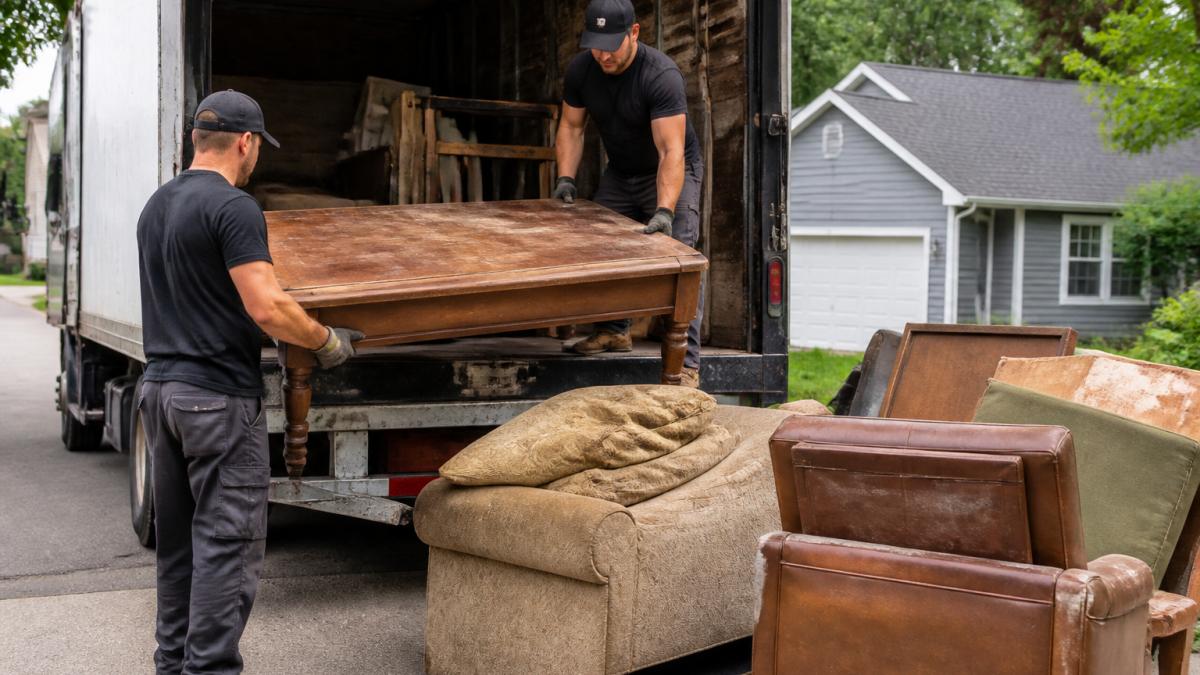
We haul furniture out of Akron and Canton homes every week.
The IRS guidance on charitable contributions is clear that a donation only counts when the receiving organization can actually use the property.
Condition and Safety Standards
Most organizations follow similar furniture condition rules. An item usually needs to be:
- Structurally sound, with no cracked frames or broken legs
- Free of rips, deep stains, or strong odors
- Clean and free of pet hair, mold, or pests
Upholstered pieces get the hardest look: sofas and mattresses absorb smoke, mildew, and bed bugs, and most charities reject them unless they're nearly new.
Commonly Rejected Items
Some pieces fail no matter how good they look. Common rejections include:
- Mattresses and box springs with any staining or sagging
- Cribs and car seats recalled for safety reasons
- Office chairs with broken gas cylinders
Step 2: Decide Where to Donate Furniture
Where to donate furniture depends on three things: what you have, how fast you need it gone, and whether you want a tax receipt.
Here's how the main options compare:
| Option | Best For | Pickup? | Tax Receipt? |
|---|---|---|---|
| National charities | Clean, standard items | Sometimes | Yes |
| Local reuse centers | Odd sizes, building materials | Rarely | Usually |
| Habitat ReStore | Cabinets, doors, fixtures | Select areas | Yes |
| Shelter or church | Beds, dressers, tables | Varies | Often |
| Junk removal | Anything, any condition | Yes | No |
Charities, Reuse Centers, and Local Options
National organizations like Goodwill and the Salvation Army run the largest networks, but pickup availability varies by region. Local reuse centers often take what the big names reject, including cabinets, doors, and lumber.
A few practical rules of thumb:
- Call ahead before you load anything
- Ask what they accept this week, since lists change
- Get the drop-off hours, because many close early
If you're clearing an estate or rental unit and nothing qualifies, a full-service cleanout beats sorting. Rubbish Outlaw Junk Removal handles estate and hoarder house cleanouts, so usable items and trash can leave in one trip.
Step 3: How to Prepare Furniture for Donation
Preparation separates a smooth drop-off from a rejected load, ten minutes up front saves an hour at the donation center.
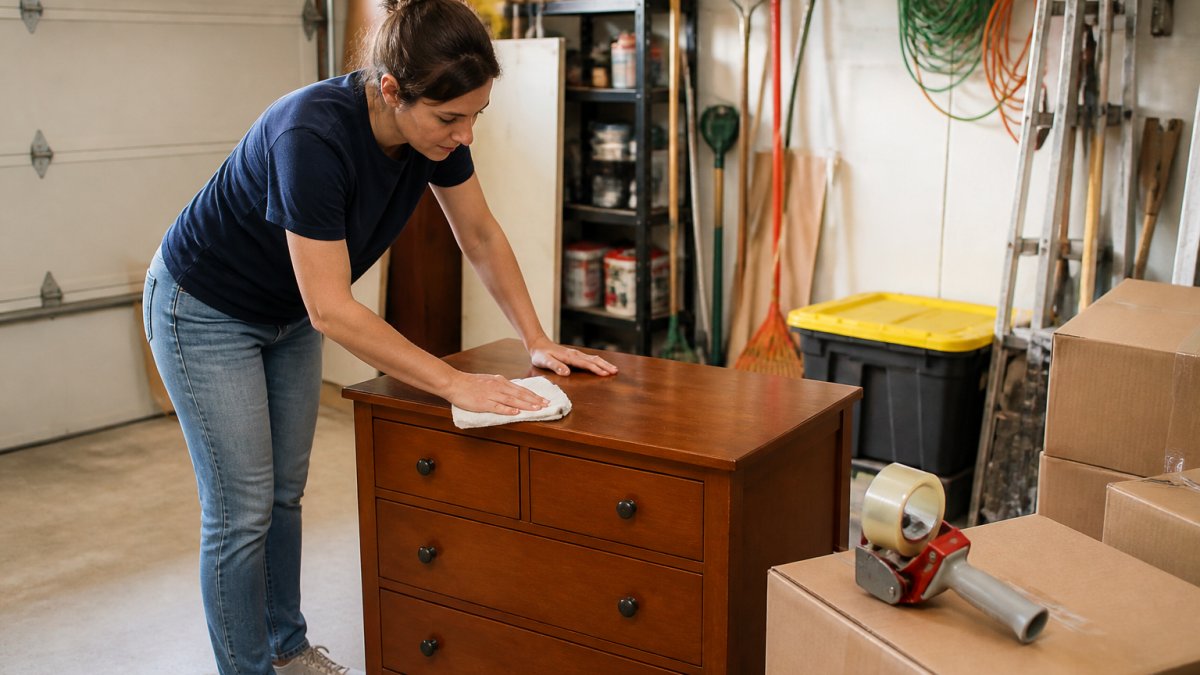
How to prepare furniture for donation comes down to four moves:
- Clean it. Wipe surfaces, vacuum cushions, and remove pet hair.
- Empty it. Check every drawer, shelf, and compartment.
- Secure it. Tape drawers shut and wrap loose parts in a bag.
- Photograph it. Take clear photos for the charity and for your records.
Wipe wood with a damp cloth and mild soap, vacuum upholstery on both sides, and air out anything with a strong odor for a day or two before you donate it.
Step 4: Arrange Furniture Donation Pickup
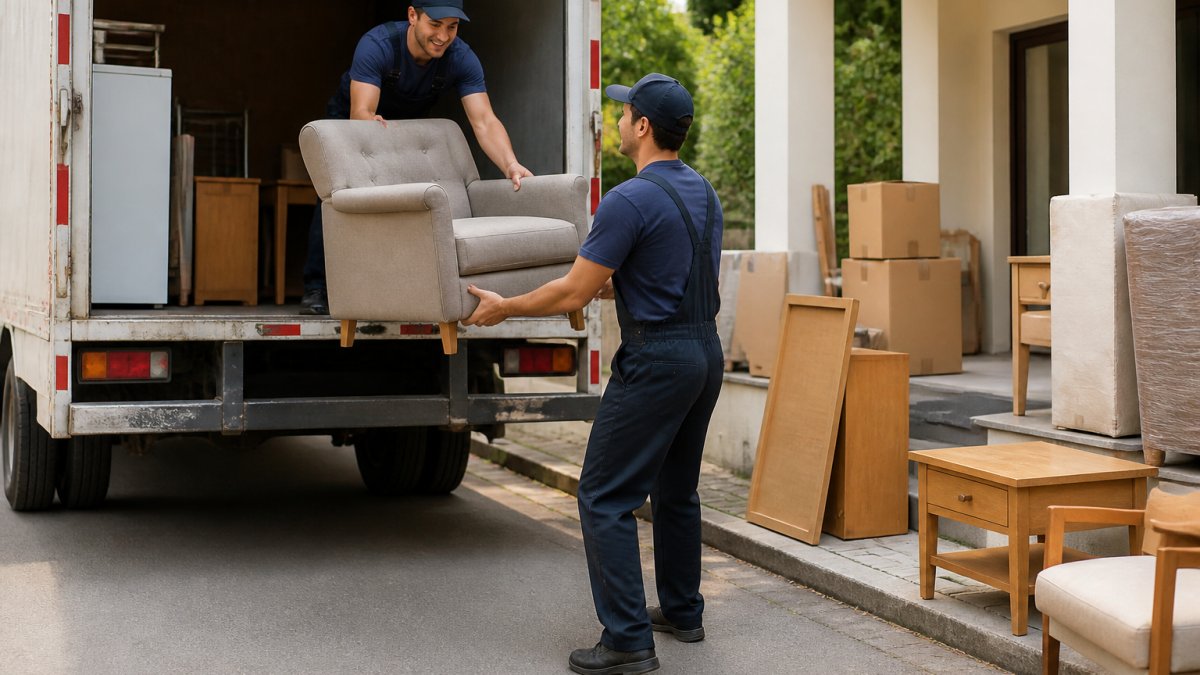
Furniture donation pickup works best when you book early and confirm details in writing. Most charities schedule one to three weeks out and some only run trucks in certain zip codes, so if you're on a move-out deadline, plan around that lead time first.
When you call, have this ready:
- Item list with sizes and quantities
- Photos of each piece
- Your address and any stairs or elevator details
Lead Times, Fees, and Service Areas
Pickup service areas are usually tight, a charity might cover one side of a metro area and skip the other, so confirm your address is on the route before promising the item away. A few patterns:
- National charities often route pickups through regional offices, so the same organization may serve one zip code and not the next.
- Local reuse centers and shelters tend to have shorter lead times but smaller trucks and narrower item lists.
- Fees: Some organizations charge a pickup fee for large loads, upstairs items, or out-of-area addresses. Ask before you book so there's no surprise at the door.
A few things that speed up scheduling:
- Send photos by email if the charity asks
- Note whether the item is on a porch, in a garage, or inside
- Mention any tight stairwells or narrow doorways
Access, Stairs, and Elevators
The most common reason a scheduled pickup fails is access: the crew arrives, sees a third-floor walk-up or a doorway too narrow for a sofa, and leaves.
Before pickup day:
- Measure the narrowest path, doorways, hallways, stairwell turns. A sofa that fit through the door when it was delivered may not fit back out if you've added furniture since.
- Clear the path the night before. Move small items, rugs, and anything that could trip a carrier.
- Note elevator rules. In apartment buildings, you may need to reserve a service elevator or a freight window. Check with building management.
Weather and Timing
Furniture on a porch or driveway in the rain can go from donatable to rejected in one storm. If your pickup window is days out, keep upholstered pieces inside or covered, and watch for moisture and mildew on wood and fabric in humid months.
When You're on a Deadline
Tight move-out timelines, estate deadlines, and rental turnovers don't fit a three-week charity lead time. The practical sequence:
- Call the fastest local option first, a shelter or reuse center with a short lead time.
- Book a backup pickup in case the first falls through.
- Have a removal crew on standby for anything the charity can't take or can't reach in time.
If a charity can't reach you or won't take the item, a local hauler can. Rubbish Outlaw Junk Removal serves Akron and Canton with fast pickup, including demolition and debris removal.
Step 5: Document Your Donation for Tax Deductions
A donation receipt is the only proof that matters at tax time. Without one, the deduction doesn't exist.
The IRS rules on noncash contributions set the framework. You generally need a written acknowledgment from the charity for any single donation of $250 or more, and you should keep your own records for everything else.
Build a simple file with:
- The charity's name and address
- The date of the donation
- A description of each item
Fair market value is what the item would sell for in a thrift store, not what you paid for it.
Step 6: What to Do When Donation Isn't an Option
Not every piece can be donated, and that's normal, torn mattresses, water-damaged particleboard, and broken recliners have no second life. The real question is which end-of-life option fits each item. Here's a framework to run piece by piece.
The Four-Option Decision Tree
Work through these questions in order for each item:
- Would a stranger pay money for it as-is? If yes, it's a candidate for resale, consignment, a local marketplace listing, or a buy-sell-trade furniture store. Resale usually nets you more than a donation deduction.
- Would a charity hand it to a family today? If it's clean, complete, and structurally sound but has low resale value, donate it. This is where most standard furniture lands.
- Is it broken but made of recoverable material? Metal frames, springs, clean wood, and some upholstery foam can be recycled. This is the tier most people forget exists.
- Is it contaminated, recalled, or hazardous? Mattresses with bed bugs, water-damaged particleboard, and recalled children's items go to disposal, not a donation dock, not a curb pile.
A quick rule of thumb: the more time you have, the further up the tree you can go. If you're on a 48-hour move-out clock, options 3 and 4 are usually your only realistic paths.
Resale vs. Donation: When Each Wins
Donation isn't automatically the "right" answer. A solid wood dining table that would sell for $150 locally is worth more as cash than as a deduction, since the deduction is based on fair market value and you'd need to itemize to claim it.
Donation wins when:
- The item's resale value is low relative to the effort of listing, showing, and hauling it
- You want it gone on a schedule and a charity will pick it up
- You're itemizing and can document fair market value properly
Resale wins when:
- The piece is in demand (mid-century, solid wood, brand-name appliances)
- You have two to four weeks to let a listing sit
- You're willing to handle messages, no-shows, and haggling
Recycling Furniture: What Actually Gets Recycled
"Recycling a couch" isn't one service, it's material recovery, piece by piece:
- Metal: Frames, springs, and hardware go to a scrap metal recycler. Many accept drop-offs and pay by weight.
- Clean wood: Untreated, unpainted lumber and pallets are accepted at some municipal yard waste and composting sites.
- Foam and fabric: A limited number of textile recovery programs accept upholstery foam; availability varies widely by region.
What does not recycle well: particleboard, composite wood with heavy glue, and anything soaked in mold or moisture. Those go to disposal.
Disposal and Special Handling
For items that fail every other option:
- Curbside bulk pickup: Many municipalities run scheduled bulky-item collection. Call your city's public works or sanitation department for the pickup day and any size limits.
- Transfer station or landfill: You haul it yourself and pay a tipping fee by weight or load. Call ahead for hours and accepted items.
- Hazardous materials: Paint, batteries, aerosol cans, and electronics never go in a donation truck or a regular trash bin. Your county's household hazardous waste program usually runs designated drop-off days.
When to Call a Removal Crew
If the pile is too big, heavy, or mixed to sort, a full-service removal crew handles all four tiers in one trip, resale-worthy pieces, donations, recyclables, and trash. That's the practical answer when clearing an estate, rental unit, or garage without weeks to triage.
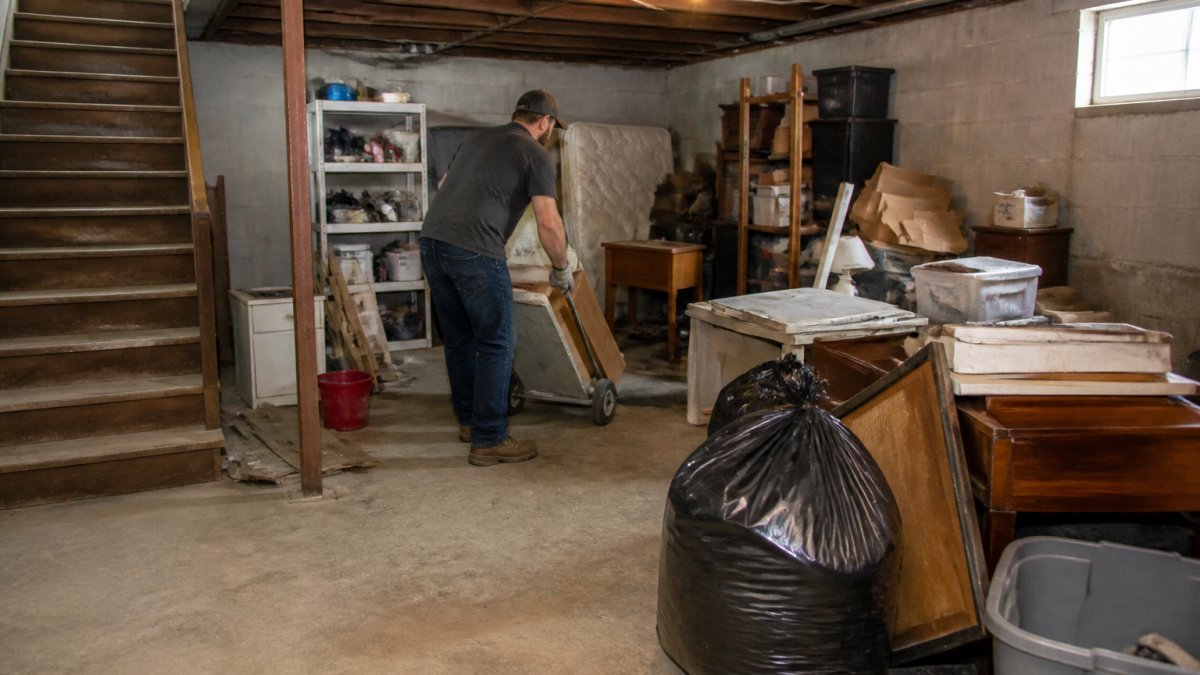
Rubbish Outlaw Junk Removal takes what charities won't, including bulky furniture, construction debris, and specialty jobs like boat removal. One call can help clear the garage, basement, and estate.
Frequently Asked Questions
Which items are usually rejected for donation?
Most charities reject items that are heavily soiled, damaged, or missing parts. Common rejections include mattresses with stains or tears, upholstered furniture with pet odors or rips, and cribs that don't meet current safety standards. Broken appliances and items with exposed springs or sharp edges are also refused. Always check with the specific organization before scheduling a pickup, as guidelines vary by charity and location.
How do I know if my furniture is in good enough condition to donate?
Use the 'would I give this to a friend?' test. Furniture should be clean, free of major structural damage, and fully functional. Check for wobbling legs, broken drawers, or torn upholstery. If an item needs more than minor cleaning or tightening, it likely won't be accepted. When in doubt, email a photo to the charity before arranging a furniture donation pickup to confirm eligibility.
Do charities pick up donated furniture?
Many charities offer furniture donation pickup, but availability depends on your location and the organization's resources. Some schedule pickups only for large items or minimum quantities. Others require you to drop off items at a donation center. When you schedule a pickup, confirm the service area, any pickup fees, and whether you need to be present. If pickup isn't available, consider a junk removal service that can transport items for you.
Can I get a tax receipt for donated furniture?
Yes, most legitimate charities provide a donation receipt for tax purposes. For items valued over $250, you generally need a written acknowledgment from the charity. For deductions over $500, you may need to file Form 8283. Keep detailed records: photos, descriptions, and fair market value estimates. The IRS requires you to determine the value yourself; the charity only confirms you donated the item.
Clearing out a home is hard enough without a rejected donation load on your hands. Rubbish Outlaw Junk Removal handles fast, affordable junk removal and full property cleanouts across Akron and Canton, including estate and hoarder house cleanouts, demolition, and debris removal. We sort what can be reused, haul what can't, and leave the space ready for what's next. Get your free estimate and reclaim your space with ease.