 ultimate-guide
Hoarder House Cleanout Service: Complete Guide
Table of Contents
- What a Professional Hoarder House Cleanout Service Does
- Hoarding Cleanup Process Steps: What Happens During a Cleanout
- Cost of Hoarder House Cleanup: What Affects Your Price
- How to Hire a Junk Removal Company for Hoarding Situations
- Why Professional Cleanout Matters: Safety, Sanitation, and Mental Health
- Finding Support Beyond the Cleanout
- Maintaining Your Space After Cleanup
- Frequently Asked Questions
Last Updated: September 20, 2026
What a Professional Hoarder House Cleanout Service Does
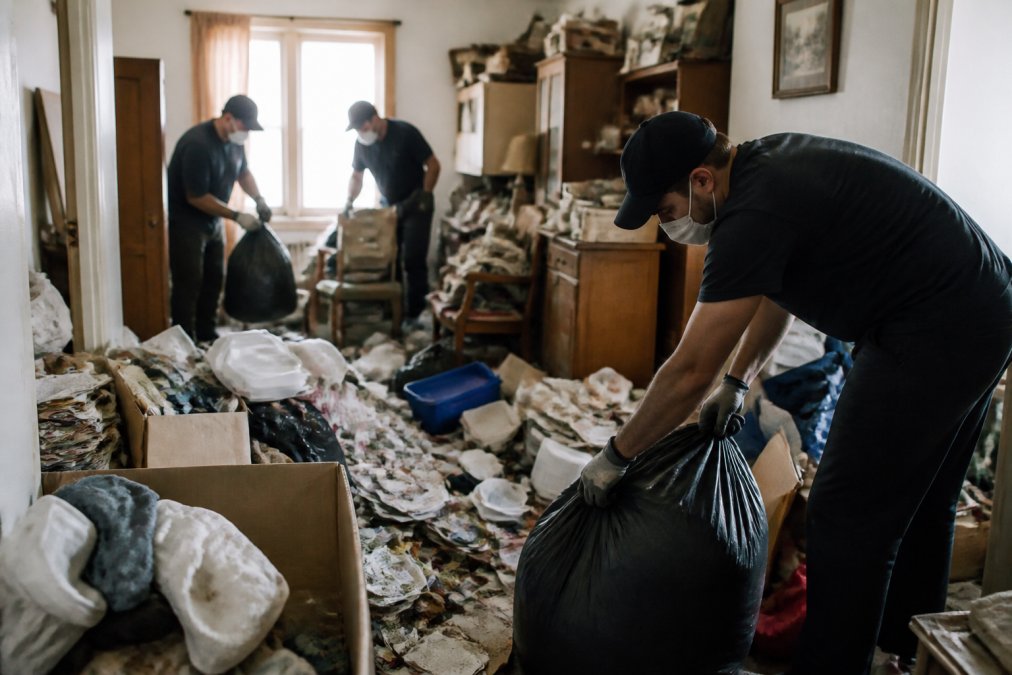
A hoarder house cleanout service is a specialized junk removal and property restoration operation designed to safely clear residential spaces affected by hoarding disorder. Unlike standard junk removal, this work requires trained technicians who understand both the physical logistics of extreme clutter removal and the emotional complexity families face.
Professional teams assess structural safety, identify hazardous materials, coordinate proper disposal and recycling, and restore livable conditions. At Rubbish Outlaw Junk Removal, we handle everything from initial assessment through final cleanout, including removing accumulated items, sorting for donation or recycling, and disposing of waste.
What separates a professional hoarder house cleanout service from general junk removal is the judgment-free approach and specialized protocols. Teams trained in hoarding situations recognize that dignity and respect matter. Families dealing with hoarding often carry shame or grief, and a compassionate service acknowledges that reality while delivering results. The process typically involves coordination with the property owner or family members, sometimes in consultation with social workers or mental health professionals.
Hoarding Cleanup Process Steps: What Happens During a Cleanout
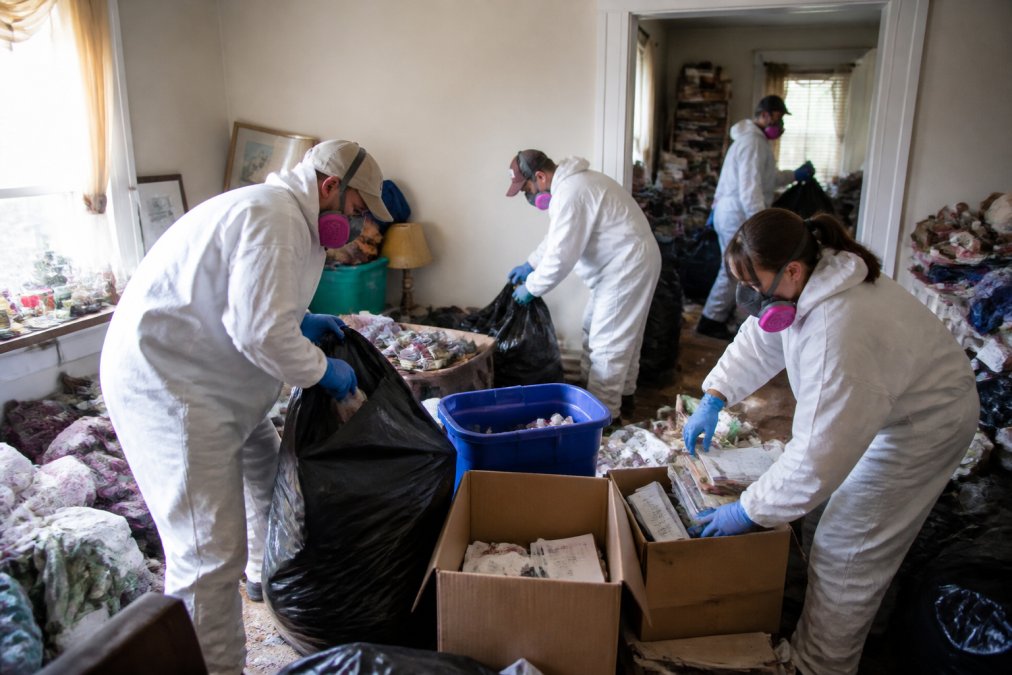
The hoarding cleanup process follows a structured sequence, though each project adapts to specific conditions and family needs.
Step 1: Initial Assessment and Planning. The team evaluates the property's condition, identifies hazards, estimates scope, and discusses family goals. This discreet, confidential approach ensures privacy protection. The assessment determines equipment, crew size, and timeline needed.
Step 2: Preparation and Safety Setup. The team establishes containment areas, sets up waste sorting stations, and ensures proper ventilation and safety protocols. Hazardous materials, old paint, batteries, chemicals, are identified and set aside for proper disposal.
Step 3: Systematic Sorting and Removal. Items are categorized: keep, donate, recycle, or dispose. This methodical approach prevents valuable items from being accidentally discarded while ensuring efficient removal.
Step 4: Deep Cleaning and Sanitization. Once items are removed, professional-grade cleaning and odor neutralization begin. Hoarding situations often involve biological buildup, mold, bacteria, and animal waste that require specialized treatment.
Step 5: Final Walkthrough and Restoration. The team conducts a final inspection with the family and addresses remaining concerns. Some properties may need minor repairs or additional services like carpet replacement.
Cost of Hoarder House Cleanup: What Affects Your Price
The cost of hoarder house cleanup varies significantly based on several factors. Understanding what drives pricing helps families budget realistically and avoid sticker shock.
How Pricing Is Structured
Most professional services calculate cost using one or more of these methods:
-
Volume-based pricing: Measured in cubic yards of debris removed. A single room might generate 5-10 cubic yards; a full three-bedroom home can exceed 30-50 cubic yards.
-
Labor-hour pricing: The crew size and project duration. A two-person team working one day costs less than a four-person team over three days.
-
Hazard-level surcharges: Properties with biohazard conditions require specialized remediation, protective equipment, and disposal protocols. Hazmat work typically adds 30-50% to the base cost.
-
Material and equipment costs: Dumpster rental, protective gear, cleaning supplies, odor neutralization treatments, and minor repairs are sometimes bundled into the estimate or charged separately.
What Affects Your Specific Cost
Several property and situation factors influence the final price:
-
Total square footage affected: A single cluttered bedroom costs far less than a 2,000-square-foot home filled to ceiling height.
-
Density and composition of items: A room packed with newspapers removes faster than one filled with furniture and appliances.
-
Presence of hazardous materials: Old paint cans, batteries, chemicals, propane tanks, mold, or animal infestation require special handling and certified disposal, adding significant cost.
-
Structural damage or contamination: Water damage, mold growth, pest infestations, or biohazard contamination need professional remediation beyond basic cleaning.
-
Property accessibility: Single-story homes with wide doorways are faster to clear than multi-story homes or properties requiring items to be carried down stairs.
-
Timeline urgency: Rush jobs or weekend work may carry premium rates.
-
Local market conditions: Regional labor costs, disposal fees, and landfill charges vary.
What to Expect When Requesting an Estimate
A professional service should provide a detailed, itemized estimate after an in-person assessment, breaking down estimated volume, crew size and hours, disposal fees, hazmat charges, cleaning costs, and optional services. Reputable services offer free estimates with no obligation. Ask the assessor to explain how they arrived at their numbers.
When comparing estimates, compare the scope, not just the price. A lower estimate might exclude hazmat handling or odor removal. Ask each service the same detailed questions to ensure equivalent work.
Some families also budget for follow-up organizing support or counseling to prevent re-accumulation. Many services offer installment options for larger projects. If cost is a barrier, ask whether the service works with local nonprofits or social services that may help fund cleanouts for qualifying individuals.
How to Hire a Junk Removal Company for Hoarding Situations
Hiring a junk removal company for hoarding situations requires more care than booking standard cleanup. You're selecting a team that will handle sensitive circumstances with respect and deliver results safely.
Start by identifying companies with specific hoarding experience, not just general junk removal. Many standard removal services decline hoarding jobs because they lack proper training or equipment. Look for services that explicitly advertise hoarding cleanout expertise.
Check credentials carefully. Verify that the company is fully licensed and insured for property protection. Ask for proof of licensing and insurance before hiring.
Request references from previous hoarding cleanout jobs. Families who've completed cleanouts can speak directly to how the team handled sensitive situations and whether results met expectations.
Ask specific questions about their process: How do they handle hazardous materials? Do they coordinate with local charities for donations? What's their timeline? Do they provide odor removal and sanitization? How do they maintain confidentiality? Clear answers signal professionalism.
Rubbish Outlaw Junk Removal specializes in hoarder house cleanout services. Our team understands the sensitivity required and the technical expertise needed to handle everything from debris removal safely.
Why Professional Cleanout Matters: Safety, Sanitation, and Mental Health
Professional cleanout is often essential for health, safety, and family wellbeing. The risks of attempting a DIY cleanout or hiring untrained labor extend beyond physical injury to include psychological harm and incomplete remediation.
Safety hazards in hoarded properties are serious. Accumulated items create fire risks, structural instability, pest infestations, and mold growth. Professional teams bring safety expertise, protective equipment, and knowledge of how to handle hazardous conditions.
Sanitation challenges in hoarding situations often exceed what families realize. Biological contamination from mold, animal waste, and decomposition requires professional-grade remediation, not standard cleaning. A professional service uses appropriate disinfection, odor neutralization, and disposal methods that restore the property to safe standards.
The mental health dimension matters equally. Families dealing with hoarding often experience shame, grief, or guilt. A judgment-free approach from trained professionals reduces trauma during an already difficult process. Professional cleanout also prevents items of value from being lost, as systematic removal protects against accidental loss of important documents, heirlooms, or financial items.
Finding Support Beyond the Cleanout
A successful cleanout is only one part of addressing hoarding disorder. The cleanup removes physical clutter, but lasting change requires ongoing support addressing the underlying behaviors and mental health factors that led to hoarding.
Mental health resources are critical. Hoarding disorder is recognized by mental health professionals as a complex condition often linked to anxiety, depression, trauma, or obsessive-compulsive tendencies (Comorbidity in Hoarding Disorder). Families should connect with therapists experienced in hoarding situations. Many communities offer support groups where people affected by hoarding can share experiences and strategies.
Local social services can provide referrals to mental health providers, support groups, and community resources. Some areas have specialized hoarding task forces that coordinate cleanup services with mental health support.
Online communities and national organizations focused on hoarding disorder offer education, peer support, and professional guidance. Post-cleanup support prevents relapse, as many families benefit from ongoing therapy, organizational coaching, or accountability partnerships that help maintain the cleaned space and address behaviors that led to accumulation.
Maintaining Your Space After Cleanup
Maintaining a cleaned space after professional removal is the most critical phase of addressing hoarding. Without intentional maintenance habits and behavioral change, re-accumulation can begin within weeks.
Why Re-Accumulation Happens
Hoarding is not solved by a single cleanout. The underlying behaviors and thought patterns that led to accumulation persist after physical items are removed. Common triggers include emotional avoidance, difficulty with decision-making, lack of organizational systems, isolation and lack of accountability, and unaddressed mental health factors.
Early Warning Signs of Re-Accumulation
Families should watch for items accumulating on surfaces, "keep" piles growing, difficulty discarding new items, clutter accumulating behind closed doors, avoidance of the space, and justifications for keeping items.
Building a Sustainable Maintenance System
2. Create Designated Zones for Each Category
3. Implement a "Touch It Once" Decision System
4. Schedule Regular Sorting Sessions
5. Be Selective About Sentimental Items
6. Manage Paper and Documents Ruthlessly
**7. Create a "Donation Station"
Ongoing Professional and Mental Health Support
Recognizing When Professional Help Is Needed Again
Frequently Asked Questions
How much does a hoarder house cleanout service cost?
The cost of hoarder house cleanup depends on the volume of items, property size, hazardous materials present, and cleanup complexity. Pricing varies significantly between projects. Contact Rubbish Outlaw Junk Removal for a free estimate tailored to your specific situation. Many companies offer project-based pricing, and some provide free consultations to assess your property before quoting.
What is included in a professional hoarding cleanup process?
A complete hoarding cleanup process includes assessment, item sorting and removal, and safe disposal of all materials. Professional teams handle debris hauling, organize donations when appropriate, and may coordinate with hazmat specialists for hazardous materials. The entire process is designed to restore your property to a safe, livable condition.
How do I choose a junk removal company experienced with hoarding situations?
Look for companies that are fully licensed and insured, offer free consultations, and specialize in hoarder house cleanouts. Ask about their training in hoarding disorder, their approach to confidentiality, and whether they handle biohazard remediation. Check that they dispose of materials responsibly and can accommodate your timeline. Rubbish Outlaw Junk Removal offers specialized protocols for hoarding cleanouts with a judgment-free, professional approach.
How long does a full hoarder house cleanout typically take?
Timeline depends on property size and clutter severity. Small cleanouts may take one day, while large or severe hoarding situations can take multiple days or weeks. Professional teams can often expedite the process with adequate crew capacity. Discuss your timeline during the initial consultation, many services prioritize efficiency and can accommodate urgent turnarounds between tenants or for time-sensitive situations.