 ultimate-guide
Cost of Whole House Cleanout: 2026 Pricing Guide
Table of Contents
- What Drives the Cost of a Whole House Cleanout
- Junk Removal Pricing Per Truckload Explained
- Dumpster Rental Prices for Whole House Cleanouts
- DIY House Cleanout Checklist to Cut Costs
- What Is Included in a Full-Service Cleanout
- Hazardous Waste, Probate, and Hidden Costs
- How to Get an Accurate Whole House Cleanout Cost Estimate
- Frequently Asked Questions
Last Updated: September 16, 2026
What Drives the Cost of a Whole House Cleanout
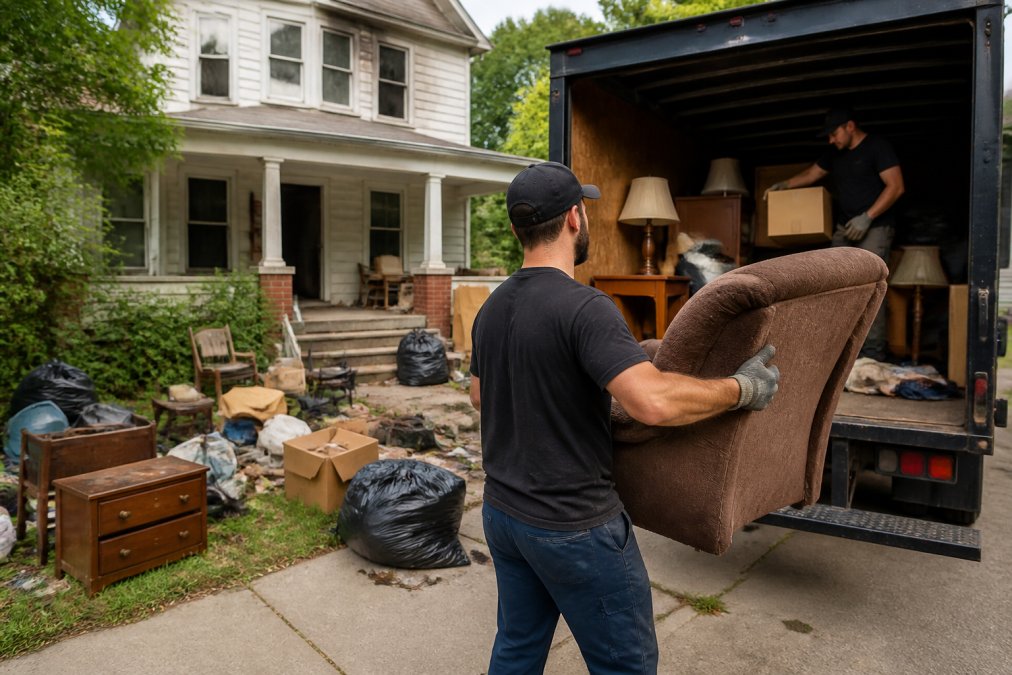
The cost of whole house cleanout depends on three variables: how much stuff is in the home, how hard it is to reach, and what it costs to dispose of. Volume sets the floor, labor sets the middle, and disposal fees set the ceiling.
Junk Removal Pricing Per Truckload Explained
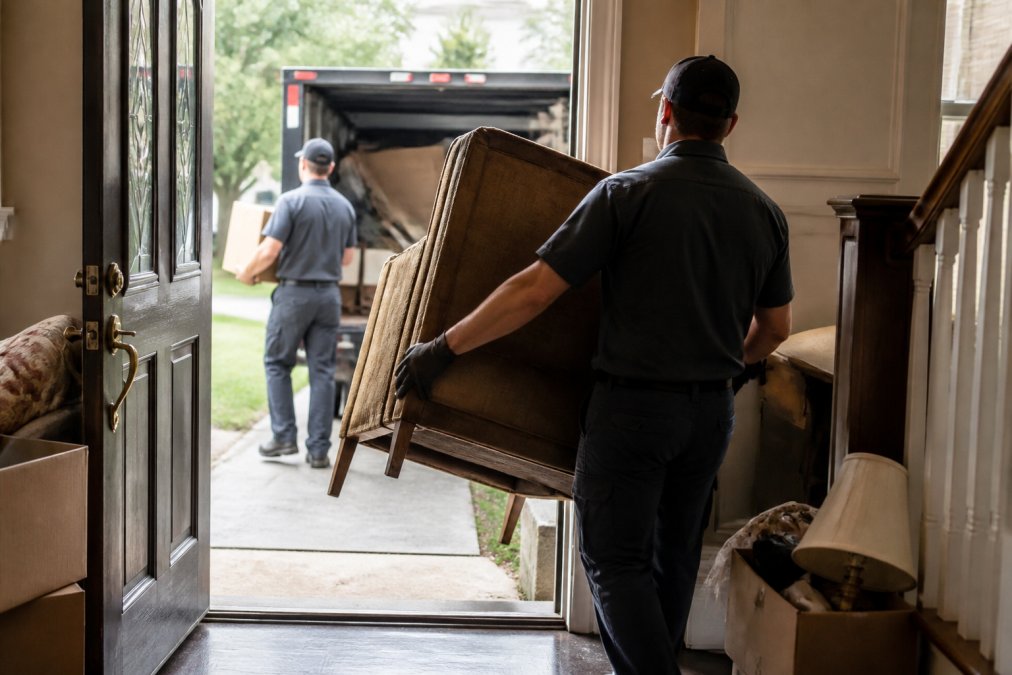
Junk removal pricing per truckload is a volume-based model: you pay for the fraction of the truck your debris fills, not for the number of items. A quarter load, half load, and full load carry different rates.
| Load Size | Truck Capacity | Typical Cleanout Scope |
|---|---|---|
| 1/4 load | ~4 cubic yards | One room, closet, or small garage corner |
| 1/2 load | ~8 cubic yards | Single-car garage or basement |
| 3/4 load | ~12 cubic yards | Two-car garage or full basement |
| Full load | ~16 cubic yards | Whole-house cleanout, multiple rooms |
Dumpster Rental Prices for Whole House Cleanouts
| Container Size | Typical Use | Weight Watch-Out |
|---|---|---|
| 10-yard | Single room, small garage, heavy debris | Best for concrete, dirt, shingles |
| 15-yard | Basement or one-car garage | Mixed household junk |
| 20-yard | Whole-house cleanout, multiple rooms | Light bulky items only |
| 30-yard | Large home or hoarding situation | Rarely needed; check driveway access |
Cost factors for dumpster rental include:
- Container size: Larger containers cost more but reduce the number of swaps
- Rental period: Most rentals run 7 to 10 days; extensions add daily fees
- Weight limits: Overweight containers trigger per-ton overage charges
- Accessibility: A container that cannot sit in the driveway may need a street permit
- Prohibited items: Tires, paint, and electronics usually carry surcharges or are refused
- Delivery and pickup: Some haulers charge separately for drop-off and final haul
- Fuel and environmental fees: Often added as a line item at the end of the rental
DIY House Cleanout Checklist to Cut Costs
A DIY house cleanout checklist cuts costs by separating what sells or donates from what gets hauled. Every item you divert from the landfill reduces your disposal fees.
Use this checklist before you call anyone:
- Walk every room and tag items as keep, sell, donate, or trash
- Photograph furniture and appliances for resale listings
- Contact local charities about curbside pickup for donations
- Check whether your municipality offers bulk item pickup days
- Separate hazardous materials (paint, batteries, chemicals) from general debris
- Break down large furniture to maximize truck or container space
- Bag loose debris so it loads faster and fills gaps
- Get two or three on-site assessments before committing
What Is Included in a Full-Service Cleanout
A full-service cleanout includes labor, loading, transportation, and disposal in one price. You point at what goes, and the crew handles the rest, from the basement to the curb.
Standard inclusions cover:
- Sorting and organizing: Crews separate keep items from haul-away items
- Furniture removal: Sofas, mattresses, and appliances carried out
- Debris removal: Boxes, bagged trash, and loose junk loaded and hauled
- Loading and transportation: All labor and trucking included
- Disposal: Landfill fees and transfer station charges built into the quote
Hazardous Waste, Probate, and Hidden Costs
Hazardous waste and probate add costs that standard quotes often miss. Hazardous materials require specialized disposal, and probate cleanouts can involve legal timelines that affect how fast you can clear a property. Most guides stop at naming the problem; here is how each one actually moves your bill.
Hazardous Waste: Why It Costs More
Hazardous materials include paint, solvents, batteries, motor oil, pesticides, fluorescent bulbs, propane tanks, and aerosol cans. These cannot go in a standard landfill load. They need a household hazardous waste facility or a certified disposal partner, and the handling chain is longer: separate collection, manifest paperwork, and a facility that accepts the specific waste stream.
Probate: The Executor's Cleanout Checklist
Probate considerations matter when you are clearing an inherited property. In many cases, the estate executor cannot dispose of assets until the court confirms authority. Moving too fast can create legal exposure. Work with the executor or attorney to confirm what can be cleared and when.
- Confirm the court has issued your letters testamentary or letters of administration
- Inventory valuable items (jewelry, documents, firearms, cash) before anything leaves the house
- Check the will for specific bequests of furniture, tools, or collections
- Notify heirs of the planned cleanout date and their window to claim items
- Photograph each room before clearing, for the estate record
- Separate financial and legal documents for the attorney, not the dumpster
- Confirm whether the estate or the heirs will pay the cleanout invoice
- Keep all receipts, cleanout costs are typically an estate expense
Other Hidden Costs to Watch For
- Accessibility surcharges: Stairs, long carries, or no driveway access add labor
- Specialty item fees: Tires, mattresses, and electronics often carry per-item charges
- Permit costs: Street or right-of-way permits for containers or trucks
- Overweight penalties: Per-ton charges when loads exceed weight allowances
- Appliance recycling fees: Refrigerators and freezers require refrigerant recovery before disposal
- Lock-change and security costs: Vacant properties often need rekeying after a cleanout
An itemized estimate should list every one of these separately. If a quote is a single number with no breakdown, ask for the detail before you commit.
find your local household hazardous waste drop-off program
How to Get an Accurate Whole House Cleanout Cost Estimate
The most accurate cost of whole house cleanout estimate comes from an on-site assessment, not a phone call. A crew that walks the property can see the volume, measure accessibility, and identify hazardous items before quoting.
- Schedule an on-site assessment. Insist on a physical walkthrough, not a phone estimate.
- Show the hard-to-reach areas. Attic, crawlspace, garage, and basement drive the labor cost.
- Flag hazardous items upfront. Paint, batteries, and chemicals change the disposal plan.
- Ask for an itemized estimate. Volume, labor, disposal, and any specialty fees listed separately.
- Confirm what is excluded. Cleaning, permits, and specialty recycling are common exclusions.
- Get it in writing. A written quote protects you from surprise charges on haul day.
- Compare like for like. Two quotes with different inclusions are not comparable.
Frequently Asked Questions
How much does a whole house cleanout cost?
The cost of a whole house cleanout depends on volume, labor, and disposal fees. Most providers price by truckload or square footage, so a single-room clearance costs far less than a full estate cleanout. Because no two homes are the same, the only reliable figure comes from an on-site assessment. Rubbish Outlaw Junk Removal offers a free estimate based on what is actually in your home.
Is it cheaper to rent a dumpster or hire a junk removal service?
Dumpster rental prices are often lower upfront, but you handle all the loading, sorting, and disposal yourself. Junk removal pricing per truckload includes labor, so the total cost may be similar once you factor in your time and physical effort. For heavy items like appliances or furniture, full-service removal is usually the better value.
What factors influence the total price of a full house cleanout?
Volume of debris, labor intensity, accessibility, and disposal fees are the main drivers. A basement packed floor to ceiling takes more crew hours than a lightly furnished bedroom. Stairs, narrow doorways, and long carry distances add labor. Hazardous materials like paint or batteries require specialized disposal, which adds cost. Your provider should walk the property and give an itemized estimate.
What is included in a standard whole house cleanout service?
A full-service cleanout typically covers sorting, loading, hauling, and disposal of furniture, appliances, boxes, and general debris. Many providers also handle donation drop-offs and recycling to reduce landfill fees. Some offer post-cleanout cleaning or light demolition. Ask upfront whether the quote includes dump fees, labor, and any special handling for hazardous items.
How long does a professional whole house cleanout take?
Most single-family homes take one to three days depending on volume and crew size. A lightly furnished house might be cleared in a few hours, while a hoarding cleanup or estate with decades of accumulation can take a week or more. Landlords needing a fast turnaround between tenants should confirm crew capacity before booking.
How do estate cleanout costs differ from standard junk removal?
Estate cleanouts usually involve more sorting because executors need to separate valuables, documents, and keepsakes before disposal. That added labor and care raises the cost compared to a simple garage clearance. Probate timelines can also affect scheduling. A provider experienced with estate cleanouts will work at your pace and coordinate with your attorney if needed.
Clearing a whole house is a logistics problem before it is a pricing problem, and the provider you choose determines how smoothly it goes. Rubbish Outlaw Junk Removal handles full-service cleanouts, hoarder house situations, demolition debris removal, and specialty items like boats, with fast turnaround for landlords and estate executors across Akron and Canton. Get a free estimate and reclaim the property without the guesswork.