 How-to
How to Manage a Hoarding Cleanup for a Deceased Estate
Quick Summary
Managing a hoarding cleanup for a deceased estate starts with assessing the property's scope and safety hazards before anything is moved. Then build a checklist, sort and document belongings, compare itemized professional quotes, and confirm your legal authority with the probate court before removing anything of value.
- Walk the property first to check whether exits are clear and whether mold, pests, or unstable piles are present.
- Wear gloves, a well-fitted respirator, and closed-toe shoes, and avoid working alone in a heavily soiled home.
- Photograph and video each room before touching anything, and keep an inventory of major items and their condition.
- Get at least two written estimates and confirm whether each price includes disposal fees, permits, and final cleaning.
- Verify your appointment with the probate court before selling or removing valuables, since early removal can create personal liability.
Table of Contents
- Understanding the Scope of a Hoarded Estate Before You Start
- Step 1: Assess Safety Hazards and Hazardous Waste
- Step 2: Build a Deceased Estate Cleanout Checklist
- Step 3: Sort, Document and Decide What Stays, Goes or Gets Donated
- Step 4: Understand Hoarding Cleanup Cost and Choose Professional Help
- Step 5: Handle Legal, Insurance and Probate Responsibilities
- Step 6: Support the Family Through Grief and Write an Estate Cleanout Letter to Family
- Booking Your Estate Cleanout With Rubbish Outlaw Junk Removal
- Frequently Asked Questions
Understanding the Scope of a Hoarded Estate Before You Start
Last Updated: November 9, 2026
Managing a hoarding cleanup for a deceased estate is one of the hardest jobs a family can face. The home may hold decades of belongings, and the condition can hide safety risks that only show up once you start moving things. Knowing the scope early makes the next steps easier to plan.
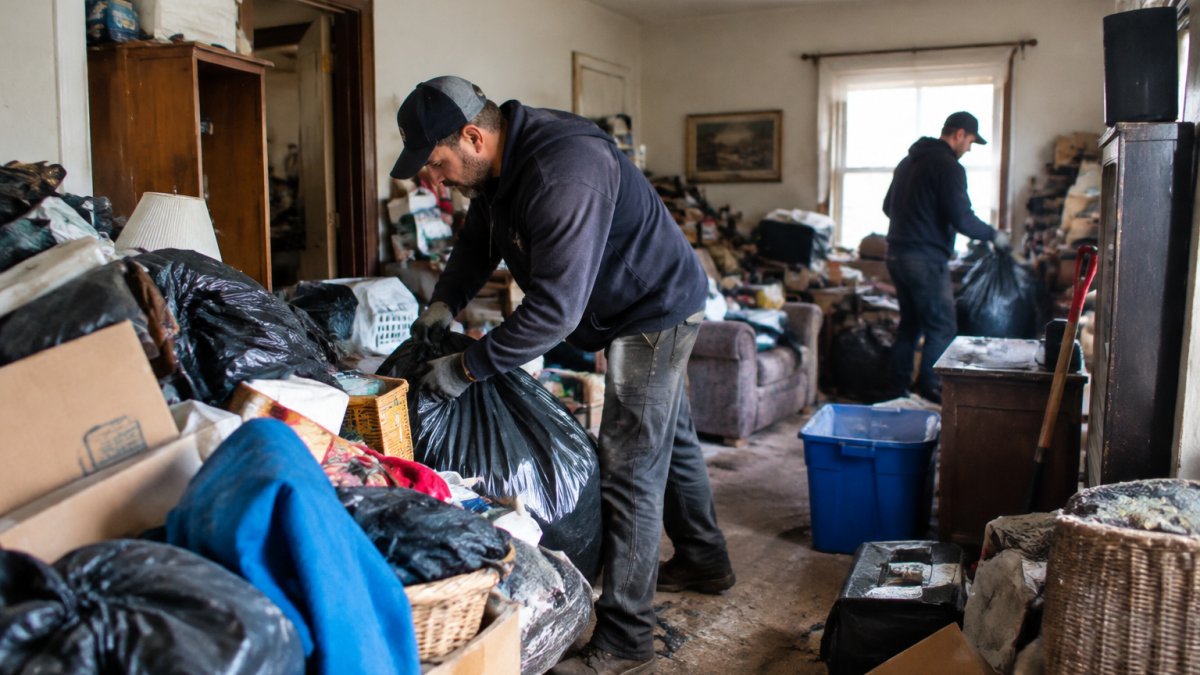
A hoarded estate usually means rooms packed to the ceiling, blocked exits, and paths that have narrowed to a few feet. Items may be stored in piles, bags, boxes, or animal waste may be present. Before you start, walk through the property with a clear goal: find out how bad the condition is, not how to fix it all at once.
Hoarding cleanup is specialized work. Standard junk removal may not cover biohazards, pest damage, or structural problems. When the scope is unclear, contact Rubbish Outlaw Junk Removal to discuss whether a specialized hoarder house cleanout fits your situation.
Keep these questions in mind during your first walkthrough:
- Are exits and hallways clear enough to move safely?
- Is there mold, water damage, or a strong odor?
- Are there pests, sharp objects, or unstable piles?
- Are there important papers, valuables, or medications?
Step 1: Assess Safety Hazards and Hazardous Waste
Safety comes first. Do not enter rooms that look structurally unstable, and do not handle items you cannot identify. Hazardous materials such as old paint, batteries, cleaning chemicals, and medications need separate handling (the EPA).
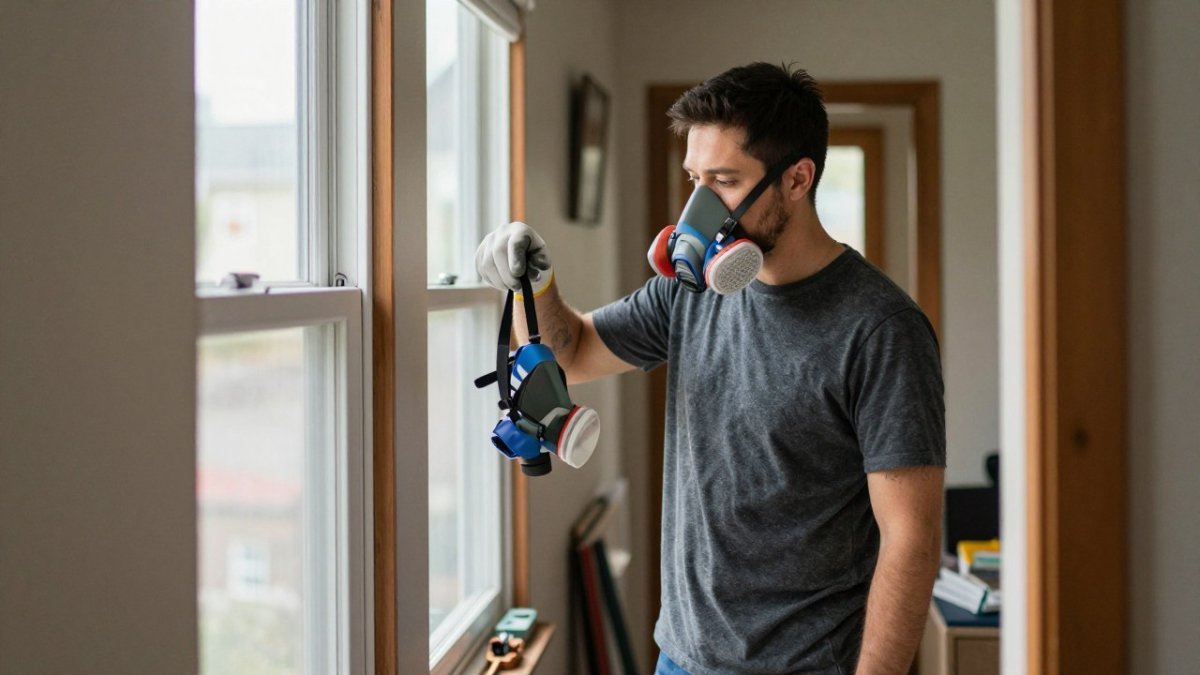
Wear gloves, a well-fitted respirator, and closed-toe shoes. Avoid working alone in a heavily soiled home.
Common hazards to check:
- Old paint and solvents
- Batteries and electronics
- Propane tanks and fuel cans
- Sharps, needles, or broken glass
- Mold and water damage
- Rodent or insect infestation
Keep hazardous items separate from general trash. Many areas have specific rules for disposing of paint, batteries, and medications, so check local guidelines before you haul anything away.
Step 2: Build a Deceased Estate Cleanout Checklist
A written checklist keeps the job organized. Without one, families often start in one room, get overwhelmed, and stop.
Core checklist items:
- Confirm legal authority to access and clear the property
- Photograph and video each room before you touch anything
- Locate important documents, such as wills, deeds, and insurance policies
- Identify valuables, collections, and items with sentimental value
- Set aside a secure area for items you want to keep
- Schedule utilities and building access as needed
- Plan dumpster or hauling logistics
A deceased estate cleanout checklist also helps when you bring in help. Share it with any crew so everyone works toward the same goals.
Step 3: Sort, Document and Decide What Stays, Goes or Gets Donated
Sorting is the slowest part of the job, so set up categories before you begin. Many families use four piles: keep, donate, sell, and discard. Label boxes clearly, and log anything of value with a short description and photo.
Documentation protects you later. Keep a simple inventory that lists major items, their locations, and their condition. This record helps with insurance claims, probate, and splitting belongings among heirs.
Work one room at a time. Finish the room before moving to the next one. Taking breaks is fine, but avoid leaving partly sorted rooms that become hazards.
Step 4: Understand Hoarding Cleanup Cost and Choose Professional Help
Cost is the question families ask first, and the honest answer is that hoarding cleanup is priced by volume and complexity, not by square footage alone. Quotes typically depend on the amount of material, the timeline, and any special handling.
How quotes are typically structured. Ask for an itemized estimate that separates dumpster or disposal fees, labor, special handling, and any post-cleanup cleaning or sanitizing. If a company will only give a single lump-sum number, ask what assumptions it is based on, and get those assumptions in writing.
What drives the price up:
- Animal hoarding or rodent infestation, which requires PPE, disinfection, and often structural repair
- Mold or water damage, which may require a separate remediation contractor
- Hazardous materials such as paint, solvents, propane tanks, and medications that cannot go in a standard dumpster
- Limited access, stairs, or long carry distances that increase labor hours
- Sorting requests, since separating keep, donate, sell, and discard items takes far longer than straight removal
Comparing bids fairly. Get at least two written estimates and confirm each one states whether the price includes disposal fees, dumpster permits, and final cleaning. Verify licensing and insurance by asking for a certificate of insurance. Ask whether crews are employees or subcontractors, and what safety training they have for biohazards and respiratory protection.
When professional help is the right call. Hire a licensed, insured company when hazards are present, when the volume exceeds what family can safely move, when the property has structural damage, or when the emotional load is making decisions unsafe. Family-led cleanouts can work for lightly cluttered homes, but they rarely work when biohazards or pest infestations are present.
Questions to ask every provider:
- Do you handle biohazards and hazardous waste, and how do you dispose of them?
- Are your crews insured and bonded, and can you provide a certificate?
- Will you sort items for the family, or only remove them?
- How do you document what is removed, and will I receive a manifest or receipt?
- What is your policy if items of value are found during removal?
For a closer look at services in your area, see our estate cleanouts page, or read our guide to finding local estate cleanout services.
The article points to several factors that drive hoarding cleanup cost and a few questions to ask providers.
| Cost driver | Why it raises the price |
|---|---|
| Animal hoarding or rodent infestation | Needs PPE, disinfection, often structural repair |
| Mold or water damage | May require a separate remediation contractor |
| Hazardous materials | Paint, solvents, propane tanks and medications cannot go in a standard dumpster |
| Limited access or long carries | Stairs and distance increase labor hours |
| Sorting requests | Keep, donate, sell and discard sorting takes far longer than removal |
Step 5: Handle Legal, Insurance and Probate Responsibilities
Legal and financial duties shape when and how you clear a hoarded home, and they are where most executors get into trouble. The executor or personal representative has a fiduciary duty to the estate, which means every item removed, sold, donated, or discarded is technically an estate transaction.
Confirm your authority first. Before you remove anything of value, verify with the probate court that you have been formally appointed and that your letters testamentary or letters of administration are in hand. If the estate is still in the petition stage, you may have authority to secure the property and address immediate hazards but not to sell or distribute assets. Removing valuables before appointment is one of the most common ways executors create personal liability.
Inventory is a legal document, not a courtesy. Your Step 3 inventory should list major items, approximate values, and disposition, sold, donated, distributed to an heir, or discarded. Photograph items before they leave the property and keep receipts for every sale and donation. For donated items, request a written receipt from the charity that describes the property; the estate may need it for the estate's income tax return or for an estate tax deduction.
Insurance rarely covers the cleanup itself. Coverage may apply, however, when a specific event, a fire, burst pipe, or storm, caused damage that must be remediated. Two practical steps: notify the insurer in writing before major work begins so the carrier can inspect, and ask specifically whether the policy includes debris removal coverage, which is often a separate sublimit.
Watch out: disposing of a vehicle, firearm, or financial account outside the probate process can expose the executor to personal liability and delay the estate's closing, even when the item looks like junk.
Liens, taxes, and the property itself. Before selling or transferring the home, check for unpaid property taxes, municipal liens, and reverse mortgages. A hoarded property may also have code enforcement violations on record; those fines can attach to the estate. Request a title search early so you know what must be cleared before closing.
When to bring in an attorney. Consult an estate attorney, not a cleanup company, for questions about executor liability, heir disputes, and whether a sale of estate property requires court approval. Keep a simple log of every decision and who approved it; if heirs later challenge the cleanup, that log is your defense.
Because rules vary by state, treat this section as a checklist of questions for your attorney and the probate clerk, not as legal advice.
Step 6: Support the Family Through Grief and Write an Estate Cleanout Letter to Family
Clearing a parent's or loved one's home can bring up strong feelings. Many people feel guilt, anger, or sadness when they discard items. Give yourself time, and allow family members to take breaks.
Mental health support can help. Consider talking with a counselor, grief support group, or trusted friend during the process.
A written letter can also help families agree on decisions. An estate cleanout letter to family can explain the plan, the timeline, and how belongings will be handled. Include:
- The date work will begin and expected completion
- Items each family member has asked to keep
- How sentimental items will be handled
- Who to contact with questions
Sharing a clear plan reduces conflict and gives everyone a voice.
Booking Your Estate Cleanout With Rubbish Outlaw Junk Removal
Rubbish Outlaw Junk Removal handles estate and hoarder house cleanouts, demolition, debris removal, and specialized boat removal in Akron and Canton. Pricing depends on the amount of material, the timeline, and any special handling, so contact the team for current prices or a quote. Request a free estimate to discuss your property and next steps.
Frequently Asked Questions
How much does a hoarding cleanup cost?
Costs vary with the size of the home, the severity of the hoarding and whether biohazard or hazardous waste is present. Pricing depends on quantity, access, dates, and special handling, so request a written estimate from any provider before work begins so you know what is included.
Who is responsible for cleaning up after a death?
Responsibility usually falls to the executor or personal representative named in the will, or to the court-appointed administrator if there is no will. That person manages the property, arranges cleanout and disposal, and coordinates with beneficiaries. Family members who are not appointed generally have no legal duty to clear the home, though they may decide to help. Check with the probate court in your county for the specific authority and duties that apply to your estate.
What are the best practices for clearing a deceased person's house?
Start with safety: confirm the home is structurally sound and wear protective gear before entering heavily cluttered areas. Photograph and inventory the property before removing anything. Set aside important papers, jewelry, and documents first. Sort items into keep, donate, sell, and discard piles, and schedule professional disposal for hazardous materials. Working in short sessions with a helper reduces fatigue and emotional strain.
Should you hire a professional hoarding cleanup service for an estate?
Hiring a professional is worth considering when the home contains biohazards, heavy accumulation, pests, mold, or hazardous materials such as old paint or batteries. Professional crews can handle disposal logistics and sanitization safely and on a deadline. Ask whether the provider is insured, how it handles hazardous waste, and whether it can document items of value. Rubbish Outlaw Junk Removal offers estate and hoarder house cleanouts, and current pricing depends on quantity, access, and dates, so request a free estimate from the company's website for an accurate quote.