 blog
DIY Cleanout Alternatives for Landlords: Costs and Limits
Last Updated: November 7, 2026
Quick Summary
The right cleanout alternatives depend on what is blocking the unit: loose belongings, a clogged drain, or a sewer backup. Landlords can often handle slow drains themselves with boiling water, enzymatic cleaners, or a hand auger, while main-line blockages and sewage backups call for a licensed plumber. Limit DIY attempts to about two methods before escalating.
- Start with boiling water or an enzymatic cleaner for slow kitchen sink drains.
- A hand auger reaches clogs a few feet down the line but cannot clear a main sewer line.
- Set a limit of two DIY methods before calling a plumber for a fixture clog.
- Stop and call a plumber immediately for standing water or sewage smell; do not use chemicals.
- Document abandoned belongings with photos and a signed inventory before removing anything.
Table of Contents
- What a Landlord Cleanout Actually Covers
- Landlord Move-Out Cleaning Checklist for Your Units
- DIY Cleanout Options and What Each One Costs
- When Tenants Leave Belongings Behind
- Move-Out Cleaning Checklist to Share With Tenants
- Decision Framework: DIY, Pro Cleaner or Junk Removal Crew
- Booking Your Next Unit Turnover With Rubbish Outlaw
- Frequently Asked Questions
Landlords often ask whether they can handle cleanout alternatives themselves to save money before the next tenant moves in. The honest answer depends on what is actually blocking the unit: loose belongings, a clogged drain, or a sewer backup. Rubbish Outlaw Junk Removal works with landlords across Akron and Canton, Ohio, and this guide covers the do-it-yourself options, what each one involves, and where the limits are. A turnover can stall when a cleanout takes longer than planned, so the goal here is to help you pick the right method the first time.
What a Landlord Cleanout Actually Covers
A landlord cleanout usually means one of two different jobs, and mixing them up leads to wasted money. Move-out cleaning removes trash, cleans surfaces, and prepares the unit for inspection. A drain or sewer cleanout clears a blockage inside the plumbing. Both matter for a turnover, but they call for different tools and different people.
Move-out cleaning versus drain and sewer cleanouts
Move-out cleaning is about the visible condition of the unit: floors, appliances, walls, and anything a tenant left behind. A drain or sewer cleanout is about water moving through the pipes. A slow sink or a bathtub full of hair is a drain problem. Standing water in a basement floor drain or a sewage smell after flushing points to the main line, where a plumber should take over. Knowing which problem you have tells you which alternative to consider.
Landlord Move-Out Cleaning Checklist for Your Units
Start with a walkthrough before anyone cleans. Photograph each room, note damage, and record the meter readings. This documentation protects you if a deposit dispute follows.
Work through the unit in this order:
- Remove trash, unwanted furniture, and food left in the refrigerator
- Clean kitchen cabinets, appliances, and the range hood
- Scrub bathroom tile, the tub, toilet, and vanity
- Clear and test every sink, tub, and shower drain
- Vacuum and mop hard floors, then shampoo carpets if needed
- Wipe switch plates, doors, and window sills
- Replace air filters and check smoke detector batteries
Hard floors and carpets usually need separate methods. Mop with a mild cleaner for tile or sealed wood, and reserve steam or extraction for carpet. A simple all-purpose cleaner, warm water, and dish soap handle most surfaces without leaving residue.
DIY Cleanout Options and What Each One Costs
Most landlords start with inexpensive cleanout alternatives before calling for help. Each one works for a specific problem and fails for others, and the real cost is not just the supplies, it is the labor hours, the risk of a second attempt, and the chance of property damage.

Boiling water, enzymatic cleaners and hand tools
Boiling water is the cheapest first step for a slow kitchen sink, poured in two or three stages with a pause between each. It helps with grease and soap buildup but does nothing for hair or solid blockages, and it can crack old PVC joints if the pipe is already fragile.
Enzymatic cleaners use bacteria or enzymes to break down organic matter like hair and food over several hours. They are gentler on pipes than caustic chemicals and suit regular maintenance between tenants. They are slower, so plan for overnight treatment.
A hand auger, sometimes called a drain snake, reaches a clog a few feet down the line. Feed it slowly and turn the handle steadily. Hand tools cannot clear a main sewer line, and forcing a snake can scratch or split the pipe.
Chemical drain openers work fast but are harsh on pipes and septic systems, and they can injure anyone who splashes them. Many plumbers advise against repeated use, especially on older pipes. Use them with caution and never mix two products.
Total cost comparison by method
The table below compares the realistic all-in cost of each alternative for a single fixture clog, assuming one landlord labor hour valued at $25-$50 and a typical U.S. market. It is a planning tool, not a price list.
| Method | Supplies / service | Labor | Typical all-in range | Best for |
|---|---|---|---|---|
| Boiling water | $0 | 0.5-1 hr | $0-$50 | Grease and soap buildup |
| Enzymatic cleaner | $10-$25 | 0.25 hr + overnight | $15-$60 | Hair and organic matter, maintenance |
| Hand auger (buy) | $20-$50 | 1-2 hr | $45-$150 | Clogs a few feet down the line |
| Powered auger (rent) | $40-$80/day | 1-2 hr | $65-$180 | Tougher fixture clogs |
| Chemical opener | $8-$20 | 0.5 hr | $20-$70 | Fast, non-septic clogs |
| Licensed plumber, fixture | $100-$250 | included | $100-$250 | Failed DIY attempts |
| Licensed plumber, main line | $200-$600+ | included | $200-$600+ | Main-line blockage or backup |
| Emergency / after-hours plumber | $300-$1,000+ | included | $300-$1,000+ | Sewage backup, standing water |
| Junk removal crew | $75-$600+ | included | $75-$600+ | Abandoned belongings, debris |
A common pattern is that repeated failed DIY attempts on the same drain add days to the turnover. Set a hard limit of two methods before you escalate.
Watch out: chemical openers and enzymatic cleaners can react badly if mixed, and caustic products can damage older cast-iron or PVC joints, never combine products and never use chemicals on a fully backed-up main line.
Realistic all-in cost by cleanout method (single fixture clog)
When Tenants Leave Belongings Behind
Abandoned belongings are one of the most common turnover delays, and they are also the area where landlords get into legal trouble most often. The rules are set by state statute and, in many places, by local ordinance, so the exact notice period and storage requirements vary. The safest approach is generally to treat every abandoned item as potentially disputed until the notice period has run.
Documentation before you touch anything
Before removing a single item, build a record that would hold up in a deposit dispute or small-claims hearing:
- Date-stamped photos and video of every room, closet, and storage area
- A written inventory of items by room, with condition notes
- The move-out inspection report signed and dated
- Copies of the notice you sent the tenant, with the delivery method and date
- Meter readings and the date possession was recovered
Keep this file with the lease and any correspondence. If a tenant later claims an item was valuable or improperly discarded, the inventory and photos are your evidence.
Notice and storage rules
Notice and storage requirements are set by state statute and local ordinance and vary, so check the current rules for your location before disposing of any items. Check the current statute and any local ordinance before you clear a unit, and document the date each notice was sent.
Watch out: disposing of a tenant's property before the notice period expires can expose you to liability, so confirm the applicable rules first.
Liability and lease language
Your lease should state clearly who is responsible for cleaning, trash removal, and drain maintenance, and it should define what counts as normal wear versus misuse. A clause that puts drain care on the tenant, no grease down the kitchen sink, hair catchers in tubs and showers, prompt reporting of slow drains, gives you a basis to charge back a clog caused by misuse. Keep the signed lease, the move-in condition report, and any maintenance requests in the same file so you can show a pattern if a dispute arises.
When to bring in a crew
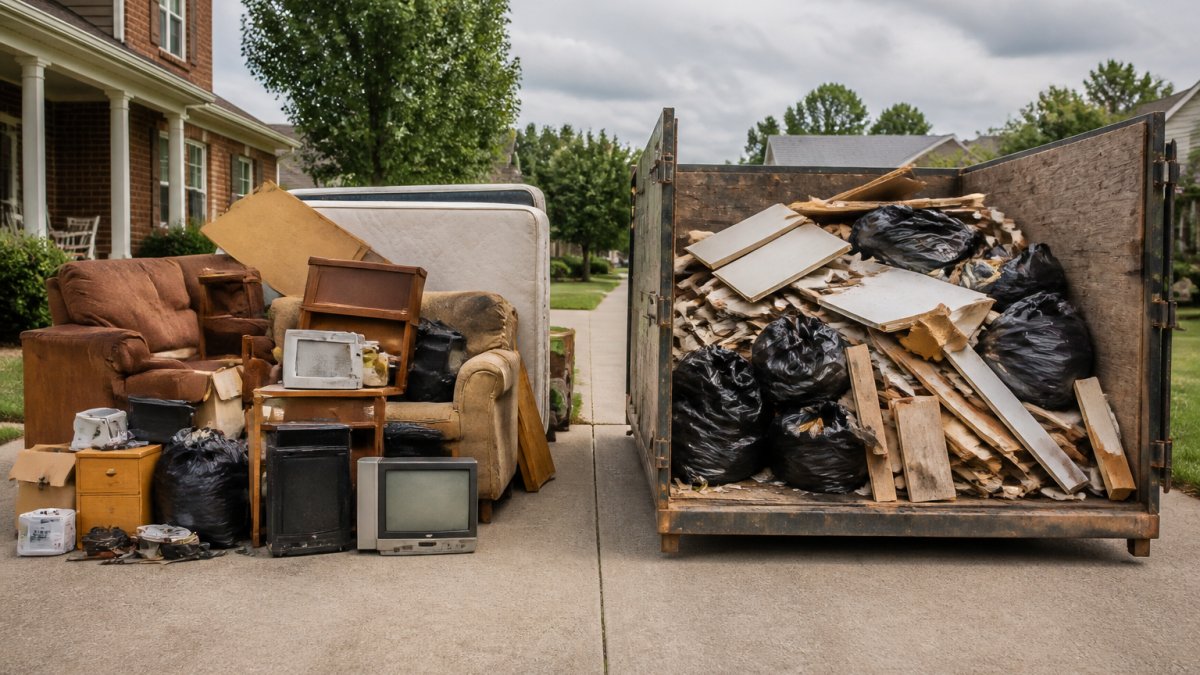
For large volumes of abandoned goods, a junk removal service can be an option to consider. Pricing depends on the amount of material, access, and timing, so request a quote for your specific unit and keep the invoice with the rest of the turnover file.
Move-Out Cleaning Checklist to Share With Tenants
Giving tenants a clear checklist before they leave reduces disputes and speeds up your turnover. A useful list covers the same areas you will inspect: remove all belongings and trash, leave keys and garage remotes, clean the kitchen including the oven and refrigerator, clean bathrooms and remove mold or soap scum, wipe walls and baseboards, and report any damage in writing. Share the list in the move-out notice so tenants know what to expect.
Decision Framework: DIY, Pro Cleaner or Junk Removal Crew
Use this framework to pick a method for each unit:
- Surface cleaning only, unit is empty: Do it yourself or hire a cleaner. A basic cleaning kit handles this.
- Slow drain, no backup: Try boiling water and an enzymatic cleaner first, then a hand auger.
- Repeated clogs or gurgling in several fixtures: Call a licensed plumber. This often signals a main line issue.
- Standing water, sewage smell, or backup from floor drains: Stop and call a plumber immediately. Do not use chemicals.
- Large volumes of abandoned belongings or heavy furniture: Hire a junk removal crew to clear the space quickly.
A common mistake is spending several days on a drain you could have cleared in an hour with the right tool. Set a limit, usually two methods, and escalate if the problem persists.
Booking Your Next Unit Turnover With Rubbish Outlaw
If your next turnover involves abandoned belongings, heavy debris, or a unit you cannot clear in a day, Rubbish Outlaw Junk Removal can help. Rubbish Outlaw Junk Removal serves landlords and property managers in Akron and Canton. Request a free estimate to get pricing based on the actual volume in your unit.
Frequently Asked Questions
How do I clean my sewer line without a cleanout?
Without a cleanout fitting, access usually means opening a sink or tub trap, using a hand auger through the drain, or having a plumber cut an access point. Boiling water and enzymatic cleaners can help with light grease or hair buildup, but they do not clear root intrusion or a blocked main line. If a drain backs up in more than one fixture at once, stop DIY work and call a licensed plumber, since that pattern points to the main sewer line and carries water-damage risk for your unit.
What should be included in a move-out cleaning checklist for tenants?
A solid checklist covers kitchens (appliances, cabinets, range hood), bathrooms (tub, toilet, grout, exhaust fan), floors, walls and doors, windows and blinds, and trash removal. Photograph each room before and after the tenant leaves, and share the list in writing at lease signing so expectations are clear. Mention that items left behind will be removed and may be charged to the tenant, based on your lease terms and local rules.
Can landlords charge tenants for cleaning after move-out?
Whether cleaning costs can be deducted from a security deposit depends on state law and the lease terms, so check the rules that apply to your unit. Keep receipts, move-in and move-out photos, and an itemized list of deductions. Normal wear and tear usually cannot be charged, so document the difference between dirt and damage.
When should a landlord hire a professional cleaning or junk removal service?
Hire a professional when the unit has heavy hoarding, large volumes of abandoned furniture, pest contamination, a sewer backup, or a turnover window of one to two days that your own crew cannot meet. Pricing depends on volume, access and dates, so request a quote from Rubbish Outlaw Junk Removal for current rates rather than relying on estimates.